2026 Best Construction Steel Rebar Buying Guide for Buyers?
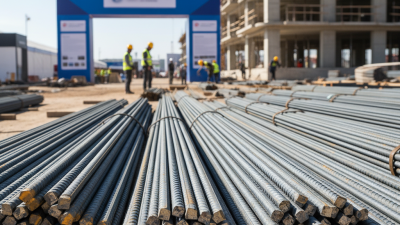
When it comes to construction projects, choosing the right materials is crucial. Among these materials, Construction Steel Rebar stands out as a fundamental element for structural integrity. This guide aims to equip buyers with essential insights to make informed decisions in 2026.
The selection of steel rebar can be daunting. Various grades and specifications exist, each suited for specific applications. Understanding the differences is key. Buyers often overlook the importance of quality and compliance with industry standards. This can lead to serious mistakes in heavy construction.
Working with reliable suppliers is crucial. Consider factors such as durability, cost, and availability. Sometimes, price-driven choices may compromise long-term benefits. This guide emphasizes evaluating these aspects while making a purchase. As buyers navigate their options, critical thinking and thorough research are essential for successful construction projects.
Factors to Consider When Selecting Steel Rebar for Construction Projects
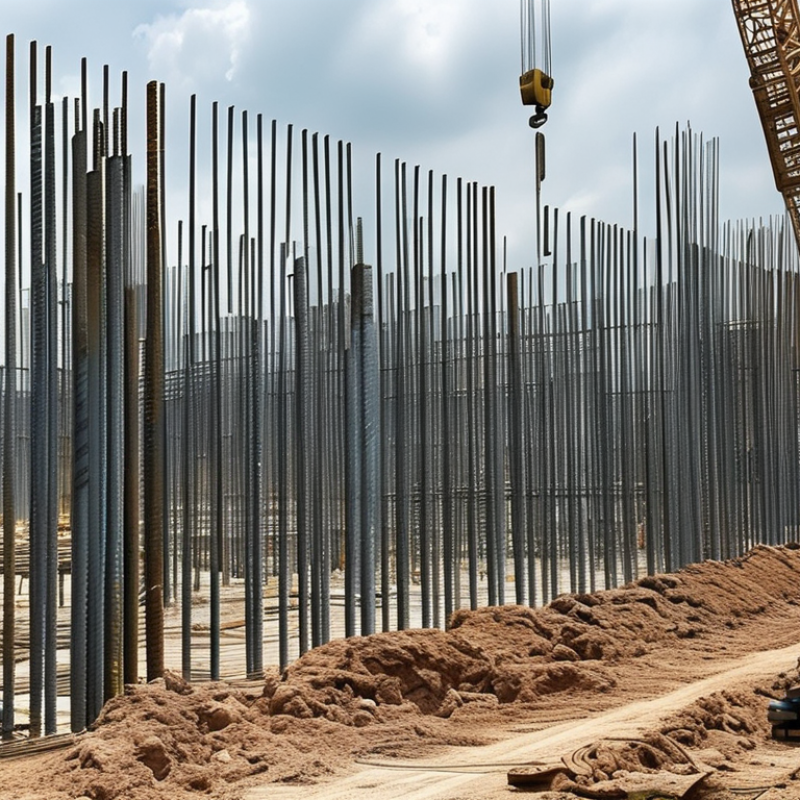
Choosing the right steel rebar for construction projects requires careful consideration. Structural integrity depends on the quality of materials used. According to the American Concrete Institute, rebar accounts for up to 10% of the total construction costs. Thus, selecting the right grade and size is essential for both safety and efficiency.
One crucial factor is the yield strength of the rebar. Higher yield strength provides better performance under stress. Many experts recommend using Grade 60 rebar for most projects. It has a yield strength of 60,000 psi. However, using a higher grade may lead to cost increases and difficulty in handling. Make sure to assess which grade aligns with project specifications and budget constraints.
Additionally, corrosion resistance is vital, especially for structures exposed to harsh environments. Epoxy-coated and galvanized rebar offer enhanced protection. According to a study by the National Association of Corrosion Engineers, unprotected steel can corrode significantly in just 5-10 years in coastal areas. This highlights the importance of long-term planning and maintenance in material selection. Balancing cost and performance becomes a critical decision point for any construction manager.
Key Standards and Specifications for Quality Steel Rebar
When considering the purchase of steel rebar, understanding key standards and specifications is essential. Buyers should familiarize themselves with industry standards such as ASTM A615 and A706. These specifications outline minimum quality requirements, ensuring that the rebar can withstand structural stresses. Purchasing rebar that meets these standards contributes to the safety and longevity of construction projects.
Additionally, buyers should pay attention to the rebar's grade and size. Different projects may require specific grades for tensile strength and ductility. Often, rebar is categorized as Grade 40, Grade 60, or higher, depending on its yield strength. Reinforcing bars come in various diameters, typically ranging from #3 to #14. Each size plays a vital role in load-bearing capacity.
It's crucial to inspect certifications and mill test reports. These documents verify compliance with standards. However, not all suppliers provide thorough documentation. Buyers should not solely rely on verbal assurances; they must check written proof. This diligence helps avoid future issues with project integrity. Each of these steps is essential in ensuring that your steel rebar purchase meets both quality and performance expectations.
Comparison of Different Steel Grades and Their Applications in Rebar
When selecting steel rebar, understanding the different grades is crucial. Steel rebar is categorized based on its yield strength and tensile strength. Common grades include Grade 40, Grade 60, and Grade 75. Each grade has its specific applications, which dictate its use in construction projects.
Grade 40 is often used for light construction. It offers decent yield strength, suitable for non-critical applications. Grade 60 is more versatile. It provides better tensile strength and is commonly used in residential and commercial projects. For high-stress environments, Grade 75 stands out. It excels in demanding structures like bridges and high-rise buildings.
Choosing the right grade can be tricky. It requires careful consideration of the project specifications and environmental factors. Builders may underestimate the need for proper grade selection, leading to structural weaknesses. Accurate grade selection ensures safety and longevity in construction. Each project is unique, and using the wrong rebar can compromise integrity. Keep in mind that thorough research and professional guidance can help navigate this complex decision.
Cost Analysis: Evaluating the Price Variability of Rebar in 2026
In 2026, understanding the cost variability of construction steel rebar is crucial for buyers. Prices can fluctuate due to several factors, including supply chain issues and raw material costs. When planning a project, consider analyzing recent market trends. This approach will help anticipate costs and manage budgets more effectively.
Market demand plays a significant role in pricing. Increased construction activities can lead to spikes in rebar prices. Conversely, an oversupply may result in lower costs. Buyers should monitor industry reports for the latest updates. Staying informed gives a competitive edge when negotiating with suppliers.
It’s essential to compare prices from various sources before making a purchase. Different suppliers may offer varied prices for similar grades of rebar. Assessing quality alongside cost is critical. Look for certifications to ensure the rebar meets industry standards. Balancing cost, quality, and delivery timelines can be challenging, but it's necessary for successful project execution. Make informed decisions by weighing all factors involved.
Trends in Steel Rebar Manufacturing and Sustainability Practices
The steel rebar industry is evolving, focusing on sustainability and efficiency. According to a recent report by the World Steel Association, the demand for sustainable steel solutions is projected to rise by 30% by 2026. This trend highlights the need for manufacturers to adapt their processes. Many are now using recycled materials and cleaner production methods to reduce carbon footprints. In fact, companies that embrace sustainable practices can lower their emissions by up to 25%, aligning with global climate initiatives.
Sustainability isn’t just a trend; it’s a necessity. As construction projects increase, so do the environmental impacts. The steel industry is responsible for approximately 7% of global CO2 emissions. This reality pushes manufacturers to innovate. Advanced recycling techniques, such as electric arc furnace (EAF) methods, allow the production of rebar from scrap steel, significantly cutting down energy use.
To make informed purchases, consider the sustainability certifications of the rebar makers you engage with. Look for indicators of their commitment to responsible practices. Pay attention to the material origin, as locally sourced materials benefit both the environment and local economies. Engage with suppliers who prioritize transparency in their manufacturing processes.