2026 Top Copper Pipes Buyers Guide What You Need to Know?
When selecting copper pipes, understanding the market is essential. Experts like David Kent, a renowned plumbing specialist, have stated, "Choosing the right copper pipes can make all the difference in durability and efficiency." In 2026, the demand for copper pipes continues to grow, reflecting their significance in various applications, from plumbing to industrial usage.
Copper pipes are known for their longevity and resistance to corrosion. However, not all options on the market meet high standards. Learning about different grades and specifications is crucial. If you're unfamiliar with the quality markers, research can feel overwhelming.
It's important to recognize that every choice impacts performance. Some buyers overlook the importance of proper installation and maintenance. Ensuring you select high-quality copper pipes helps avoid costly repairs down the line. Reflecting on these aspects can lead to a more informed decision.
Understanding Copper Pipes: Types and Uses
When it comes to understanding copper pipes, it's essential to recognize the various types and their uses. Copper pipes are popular in plumbing, HVAC, and refrigeration. They are durable, resistant to corrosion, and provide excellent heat conductivity. There are three main types: Type K, Type L, and Type M. Type K is the thickest and ideal for underground applications. Type L is commonly used in residential plumbing, while Type M is lighter and suitable for HVAC systems.
Tips: Always check the thickness before purchasing. Thicker pipes may offer better longevity.
The applications of copper pipes vary widely. In plumbing, they connect fixtures and water supply lines. In HVAC, they transport refrigerants, playing a critical role in air conditioning systems. Their versatility makes them a staple in various industries. However, choosing the right type for specific applications is crucial.
Tips: Ensure you consult with a professional. Not all copper pipes are equal in quality or purpose.
Consider the fittings and soldering methods used during installation. Improper installation can lead to leaks. While copper pipes offer many benefits, mistakes in their use can be costly. It's vital to balance cost with the need for quality and reliability when selecting copper pipes for your project.
2026 Top Copper Pipes Buyers Guide
This chart illustrates the projected demand for different types of copper pipes used in various industries by 2026.
Key Factors to Consider When Buying Copper Pipes
When purchasing copper pipes, several key factors must be considered. One significant aspect is the pipe's thickness. Thicker pipes offer better durability and resistance to pressure. On the other hand, thinner pipes can be more flexible and easier to install. Choose the right thickness for your project needs.
The type of copper material is equally important. There are three common types: Type K, L, and M. Type K is the thickest and offers superior strength. Type L is a good balance between strength and weight. Type M is lighter and often used for residential applications. Understanding the differences helps make an informed choice.
Another factor to reflect on is temperature tolerance. Copper pipes can handle a range of temperatures, but not all are suitable for high heat. Consider the installation environment and the specific needs of your plumbing or heating systems. Investing the time to research these elements can prevent future issues.
Evaluating Quality and Standards in Copper Pipes
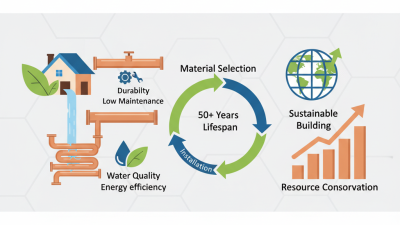
When evaluating the quality and standards of copper pipes, it's essential to consider several key factors. The ASTM B88 standard outlines the minimum requirements for copper pipe used in plumbing. Adhering to these standards ensures durability and reliability. A report from the Copper Development Association indicates that copper pipes can last over 50 years—signifying the importance of quality materials.
Inspecting the copper’s thickness is crucial. Thicker pipes generally indicate better quality. According to industry standards, Type L copper, used in residential plumbing, is thicker than Type M. This factor affects both lifespan and performance. Not all pipes meet necessary specifications; some may lack proper labeling. This raises questions about their true quality.
Tip: Always verify the specifications before purchasing. For instance, look for pipes that explicitly meet ASTM standards.
Another area to consider is the level of recycling in the copper used. The Recyclability of copper enhances its sustainability profile. However, some recycled materials might not meet new pipe requirements, leading to potential quality issues.
Tip: Opt for pipes sourced from reputable suppliers, ensuring consistent quality and performance. Remember, a small oversight in pipe selection can lead to costly repairs down the line.
Top Brands and Suppliers of Copper Pipes in 2026
When considering copper pipes, understanding the leading brands and suppliers is essential. The global copper pipes market has experienced significant growth, projected to reach $12 billion by 2026. This is largely driven by the increasing demand in the plumbing and HVAC sectors. Many industry reports highlight key players contributing to this growth, showcasing their commitment to innovative solutions and sustainability.
In 2026, companies prioritize quality and reliability. The right choice of supplier can greatly impact project success. Numerous industry experts recommend prioritizing suppliers who adhere to the highest manufacturing standards. Look for brands that emphasize eco-friendly practices and durability in their products. Research shows that pipes with a higher purity level enhance performance and reduce maintenance needs.
Tip: Evaluate suppliers based on customer reviews and longevity in the market. This can provide insights into their reliability. Revisit your needs regularly to ensure you choose the best supplier for future projects. Another tip: consider local suppliers for quicker delivery and better service. Choosing the right partner can minimize delays and enhance overall project efficiency.
Maintenance Tips for Long-Lasting Copper Pipes
Copper pipes are favored for their durability and resistance to corrosion. However, proper maintenance is essential for their longevity. Regular inspections can help you catch potential problems early. Check for leaks or discoloration. These signs may indicate corrosion or weak spots in the pipes.
Cleaning is also crucial. Over time, minerals can build up inside the pipes. Regular flushing with water can help reduce the buildup. Consider a vinegar solution for more stubborn deposits. Just remember, avoid using harsh chemicals that could harm your pipes.
Don't overlook insulation. Pipes in unheated areas can freeze in winter. Insulating them can prevent freeze damage. If you notice unusual noises, it may be time for a thorough check. Taking proactive steps can ensure your copper pipes remain in good condition for years to come.
2026 Top Copper Pipes Buyers Guide What You Need to Know? - Maintenance Tips for Long-Lasting Copper Pipes
| Feature |
Description |
Maintenance Tips |
Lifespan |
| Corrosion Resistance |
Copper pipes resist corrosion, which extends their lifespan. |
Regularly check for signs of corrosion and clean if necessary. |
50+ years |
| Thermal Conductivity |
Excellent conductor of heat, ideal for plumbing and heating systems. |
Insulate pipes to prevent heat loss. |
40+ years |
| Flexibility |
Can be easily bent and shaped during installation. |
Avoid kinking during installation for optimal performance. |
25+ years |
| Eco-friendly |
Recyclable material, making it a sustainable choice. |
Ensure proper disposal or recycling at end of life. |
Indefinite with proper recycling |