Gangtuo
Integrity, Innovation, And Win-Win
Contact us

Best Automotive Steel Options for Global Buyers in 2026

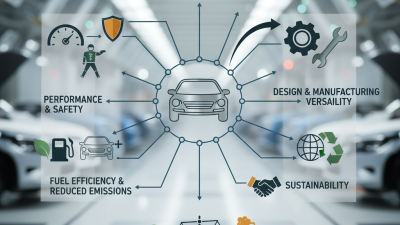
The automotive industry is evolving rapidly, with automotive steel playing a crucial role. According to the Global Steel Report, the automotive steel market is projected to reach $160 billion by 2026. This growth stems from rising demand for lightweight yet durable materials. Manufacturers are increasingly focused on innovation to enhance performance and sustainability.

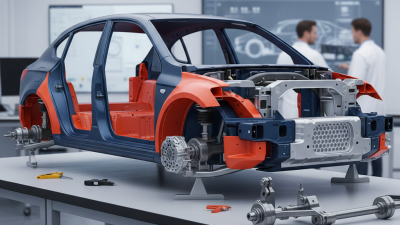
Automotive steel is essential for vehicle safety and efficiency. Advanced high-strength steels (AHSS) are now widely used in production. They provide better tensile strength while reducing overall weight. This shift can lead to improved fuel efficiency, a major concern for modern consumers. Industry data shows that vehicles using high-strength materials can see a weight reduction of up to 25%.

However, the industry faces challenges. Rising raw material costs and fluctuating supply chains can impact production. Companies must adapt to these dynamics to remain competitive. Effective collaboration with suppliers and investment in technology will be vital. Understanding the strengths and weaknesses of various automotive steel options will be crucial for global buyers in 2026.
Best Automotive Steel Options for Global Buyers in 2026

Overview of Automotive Steel Types Available in 2026

In 2026, automotive steel options will evolve significantly. Various types of steel will cater to the demand for lightweight yet durable materials. High-strength steel (HSS) will be crucial. It offers excellent strength-to-weight ratios, making vehicles safer and more efficient. Advanced high-strength steel (AHSS) stands out due to its toughness, flexibility, and resistance to deformation.

Another key player will be galvanized steel. This type is coated for added corrosion resistance. It ensures longevity in various climates, an important factor for manufacturers. The ability to withstand rust can extend the vehicle's life. Manufacturers face challenges in balancing cost and quality while aiming for environmentally friendly solutions. The ongoing conversation around sustainability highlights the need for innovation.

Recycled steel is gaining traction, aligning with global sustainability goals. However, it presents consistency challenges in quality. Buyers must carefully consider trade-offs when selecting steel types. The landscape for automotive steel is competitive. Awareness of materials will empower consumers and industry stakeholders, increasing demand for reliable information.

Best Automotive Steel Options for Global Buyers in 2026

Steel Type Key Properties Applications Market Trends Sustainability
High-Strength Steel (HSS) Enhanced strength-to-weight ratio Structural components, chassis Increasing demand for lighter vehicles Recyclable and energy-efficient
Advanced High-Strength Steel (AHSS) Superior toughness and ductility Collision zones, crash boxes Growing focus on safety regulations Produced using cleaner methods
Mild Steel Good weldability and formability Body panels, frames Stable in demand due to cost-effectiveness Easily recyclable
Dual-Phase Steel High strength with good formability Seat structures, safety cages Increasing adoption in premium vehicles Can be produced from recycled materials
Electrical Steel High magnetic permeability Electric motors, transformers Growth in EV market driving demand Encouraged for use in sustainable technologies

Key Properties of Steel Relevant to Automotive Applications

The automotive industry heavily relies on steel for its strength, recyclability, and cost-effectiveness. High strength low alloy (HSLA) steel is particularly significant. It offers excellent strength-to-weight ratios. According to the World Steel Association, using HSLA can reduce vehicle weight by 15% while maintaining structural integrity. This weight reduction is crucial for improving fuel efficiency.

Another key property is corrosion resistance. Automotive manufacturers seek steel grades that withstand harsh environmental conditions. Advanced coatings can enhance this property. Reports indicate that vehicles with improved corrosion resistance can have a lifespan extended by up to 25%. This longevity is advantageous, particularly in markets with extreme weather conditions.

Ductility and formability are also essential. Steel types that can be easily manipulated allow for innovative designs. Many manufacturers are focusing on dual-phase and TRIP (Transformation-Induced Plasticity) steels. They can absorb more energy in crash situations. However, balancing these properties with cost remains a challenge. The drive for sustainability pushes for higher performance without escalating expenses.

Global Steel Suppliers and Their Offerings for Auto Industries

The automotive steel market is evolving rapidly. Global buyers will benefit from understanding various steel suppliers. In 2026, demand for high-strength steel will rise significantly. According to industry reports, high-strength low-alloy (HSLA) steel will comprise over 30% of automotive material choices.

Manufacturers are actively exploring innovations in steel processing. Lightweight steel solutions are gaining traction. These materials enhance fuel efficiency while ensuring safety standards are met. Research predicts that advancements in steel production will drive down costs by up to 10% during the next few years.

Sustainability remains a key concern. Steel suppliers are urged to adopt more eco-friendly practices. However, inconsistencies in sourcing and production methods lead to varying quality. Decisions are complicated by global supply chain issues. This highlights the need for more reliable partnerships across the industry. As the auto sector prioritizes green materials, reliable steel sourcing will become even more critical.

Environmental Regulations Impacting Automotive Steel Selection

Environmental regulations are increasingly shaping the automotive steel selection process for global buyers. These rules are designed to minimize carbon footprints and reduce environmental impacts. Consequently, manufacturers must source materials that meet these stringent criteria. Many steel producers are now focusing on low-emission processes. This shift not only supports compliance but also appeals to environmentally conscious consumers.

As regulations evolve, buyers must stay informed about the materials being offered. Steel options like high-strength steel and lighter alloys are becoming more popular. These materials enhance vehicle performance and improve fuel efficiency, addressing the dual challenge of regulation and consumer demand. However, the transition to more sustainable materials hasn’t been seamless. Some manufacturers face challenges in balancing cost, quality, and environmental compliance. Product availability may also fluctuate, complicating decision-making for buyers.

The automotive industry is in a period of transformation. Buyers should take a proactive role in understanding these regulations. This approach will help them make informed choices when selecting steel options. Collaboration with suppliers committed to sustainability is essential. Engaging in discussions about best practices can lead to innovative solutions that benefit both the environment and business objectives.

Future Trends in Automotive Steel Production and Innovation

In the automotive industry, innovation in steel production is crucial for meeting future demands. According to the World Steel Association, the global demand for automotive steel is expected to reach 140 million tons by 2026. This growth is driven by the need for lightweight materials that enhance fuel efficiency. Manufacturers are now focusing on advanced high-strength steel (AHSS) to achieve these goals.

The production techniques are evolving as well. The implementation of electric arc furnace (EAF) technology has shown a significant reduction in carbon emissions by nearly 29% compared to traditional methods. This aligns with global sustainability goals and allows for more environmentally friendly steel production. Companies must adapt to these changes to remain competitive.

There's also a need for reflected strategies. Current challenges include fluctuating raw material costs and the increasing complexity of supply chains. Innovations should focus on creating more resilient supply chain frameworks. Investments in technology and workforce training are essential to address these hurdles and leverage emerging opportunities in the automotive steel sector.