What is Hot Rolled Steel Bar and Its Applications?
Hot Rolled Steel Bar is a versatile material used across various industries. This product is essential in construction, manufacturing, and automotive sectors. Its unique properties make it a favorite among engineers and designers.
The process of hot rolling enhances its strength and ductility. These bars are heated above their recrystallization temperature, allowing for easier shaping and forming. However, despite its advantages, there are limits to its applications. For instance, Hot Rolled Steel Bar may not always suit high-precision projects. It can sometimes have surface imperfections that require careful consideration.
Understanding the characteristics and uses of Hot Rolled Steel Bar is crucial for selecting the right material. This knowledge helps avoid potential pitfalls. Proper use ensures durability and performance in various projects. Knowing its limitations allows for better decision-making in engineering and design.
Definition of Hot Rolled Steel Bar
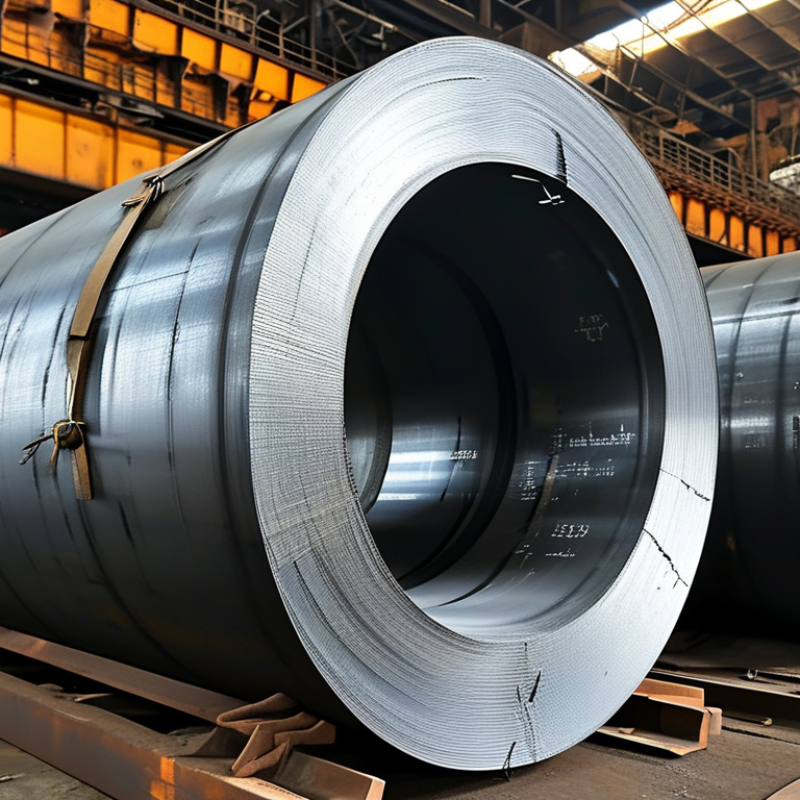
Hot rolled steel bars are crucial in various industries, thanks to their unique properties. These bars are produced by rolling steel at high temperatures, typically above 1,700°F. At this temperature, the steel becomes malleable. Producers can shape and form them into different dimensions. The process results in a relatively finished product that is often used in structural applications.
The American Institute of Steel Construction reports that hot rolled steel bars have a yield strength of around 36,000 psi to 50,000 psi. This makes them well-suited for building frames and bridges. Hot rolled bars excel in projects requiring high tensile strength. They can withstand heavy loads and resist deformation.
Despite their advantages, hot rolled steel bars often have surface imperfections. These may include scale or rough edges due to the manufacturing process. Users must consider these factors when selecting materials for precise engineering applications. Overall, while hot rolled steel bars are versatile, attention to quality is essential in their application.
Manufacturing Process of Hot Rolled Steel Bar
Hot rolled steel bars are known for their unique manufacturing process, which begins with heating steel billets to a temperature exceeding 1,700°F. This high temperature allows the steel to become malleable, enabling easier shaping. The billets are then passed through rollers, transforming them into bars of varying sizes. According to the World Steel Association, the hot rolling process minimizes the risk of deformation compared to cold rolling.
Once shaped, these bars cool slowly in the air, allowing them to maintain their structural integrity. However, this process isn’t without concerns. The cooling phase can lead to surface imperfections or slight warping if not monitored closely. Research indicates that about 15% of hot rolled products may require additional finishing processes to ensure quality. Industries utilizing hot rolled steel bars often focus on construction and manufacturing, as these bars provide essential strength to structural components.
Applications of hot rolled steel bars include beams, rebar, and shafts. These components are critical in buildings and infrastructure. However, the inconsistency in bar dimensions can lead to design challenges. Therefore, engineers must account for variability when planning projects. As the demand for quality and precision increases, manufacturers are striving to improve the hot rolling methods to minimize imperfections while maintaining efficiency.
Applications of Hot Rolled Steel Bar
Key Properties of Hot Rolled Steel Bar
Hot rolled steel bars are renowned for their unique properties. They undergo a manufacturing process where steel is shaped at high temperatures, above its recrystallization point. This process enhances malleability and ductility, facilitating easier shaping and forming. The resulting product exhibits a rough surface, which may not always be aesthetically pleasing but is functional for various applications.
Key properties include high strength and durability. Hot rolled bars maintain structural integrity, making them ideal for construction and infrastructure projects. They are commonly utilized in the fabrication of beams, columns, and other structural components. Their resistance to deformation allows for reliable performance under heavy loads.
Tip: When selecting hot rolled steel bars for projects, consider the specific requirements. Different sizes and grades can significantly influence performance.
Another important aspect is the cost-effectiveness of hot rolled steel. The production process is relatively efficient, resulting in lower prices compared to cold rolled alternatives. However, this also means that precision might be less than desirable for certain applications.
Tip: Always verify the specifications. Misunderstandings in size or grade can lead to setbacks in construction or manufacturing.
Common Applications of Hot Rolled Steel Bar
Hot rolled steel bars are widely used in various industries due to their robust characteristics. One common application is in construction. These bars provide excellent structural support. They are used in beams, columns, and reinforcements. Their strength and durability ensure buildings can withstand heavy loads.
Another significant application is in manufacturing. Hot rolled steel bars are used to create parts and components for machinery. Companies appreciate their malleability. This quality allows for easier shaping during production. However, the need for precise specifications can create challenges. Small variations in dimensions can lead to issues in assembly.
In addition, hot rolled steel bars find use in automotive industries. They serve in the production of axles and chassis components. Their ability to absorb impact makes them ideal for safety-critical parts. Yet, the reliance on these bars can raise concerns about quality control. Consistency in manufacturing is crucial to prevent failures. This is an ongoing area for improvement and reflection.
Advantages of Using Hot Rolled Steel Bar in Industry
Hot rolled steel bars play a crucial role in various industries due to their remarkable advantages. The manufacturing process involves rolling steel at high temperatures, which enhances its malleability. This process improves the material's structural integrity, making it ideal for construction and machinery. Hot rolled bars are often used in beams and columns for buildings, bridges, and vehicles.
Using hot rolled steel bars offers several benefits. They exhibit high strength and durability, which means they can withstand heavy loads without deforming. Additionally, these bars have a rough surface finish, which can aid in bonding with other materials. This property is especially useful in welding applications. The cost-effectiveness of hot rolled steel also makes it attractive for large-scale projects.
Tip: When selecting hot rolled steel bars, consider their dimensions and temperature tolerances. Proper assessment can prevent structural failures.
Some may question the uniformity of hot rolled bars. Due to the nature of the rolling process, variations in thickness can occur. This aspect necessitates careful measuring and quality control during production. Acknowledging potential discrepancies is essential for maintaining high standards in your projects.
Tip: Emphasize communication with suppliers. Ensure they have stringent quality checks in place. Regular audits can enhance reliability in your material sources.
What is Hot Rolled Steel Bar and Its Applications? - Advantages of Using Hot Rolled Steel Bar in Industry
| Dimension |
Value |
Application |
| Diameter |
5 mm - 200 mm |
Construction Bars |
| Length |
3 m - 12 m |
Structural Components |
| Yield Strength |
250 MPa - 680 MPa |
Heavy Machinery |
| Tensile Strength |
400 MPa - 850 MPa |
Automotive Parts |
| Applications |
Versatile |
Various Industrial Uses |