How to Choose the Best Nickel Alloy Steel Pipe for Your Needs?
Choosing the right Nickel Alloy Steel Pipe can be a daunting task. Industry expert Dr. Emily Chen notes, "Selecting a pipe involves balancing performance and cost." With a plethora of options available, understanding the nuances of Nickel Alloy Steel Pipes becomes essential for any project.
Nickel Alloy Steel Pipes are renowned for their excellent corrosion resistance and strength. They are widely used in various industries, including oil and gas, chemical processing, and power generation. However, not all pipes are created equal. A wrong choice can lead to significant downtimes and unexpected costs.
Consider the specific needs of your project. What environment will the pipe operate in? What fluid will flow through it? Evaluating these factors is crucial. Remember that even small variations in alloy composition can impact performance. While manufacturers may provide specifications, real-world performance often differs. Always seek expert advice and do thorough research before making a decision.
Understanding Nickel Alloy Steel Pipes: Composition and Properties
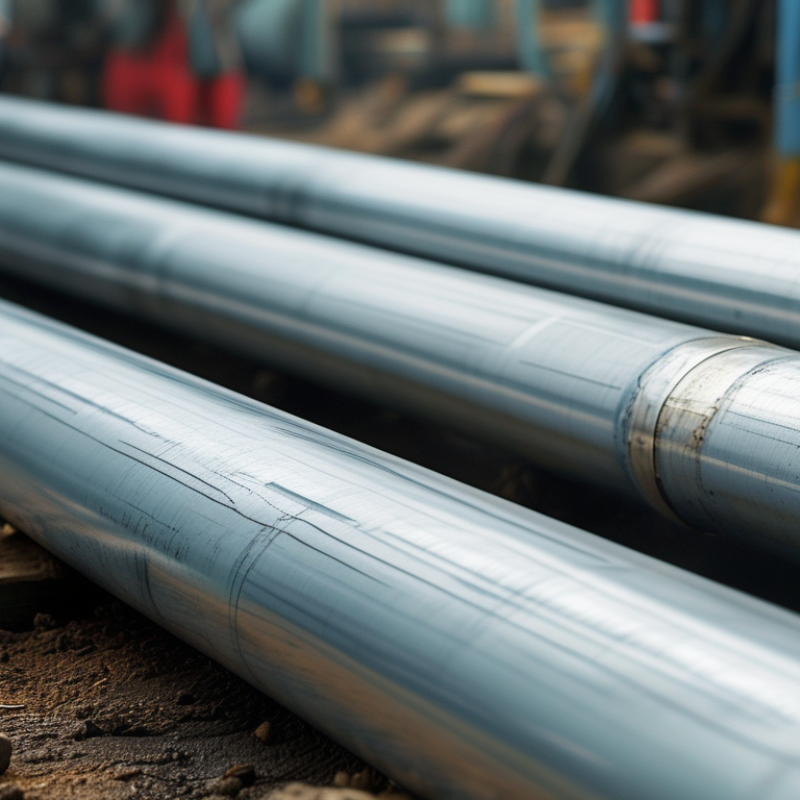
Nickel alloy steel pipes
are valued for their unique composition and robust properties. These pipes are typically composed of iron, nickel, and additional elements such as chromium and molybdenum. The blend of nickel enhances corrosion resistance, making these pipes ideal for harsh environments. Chrome adds to their strength and durability.
When selecting a nickel alloy steel pipe, consider the environment in which it will be used. High-temperature applications require specific alloy compositions to withstand extreme conditions. The material’s tensile strength is also crucial; it determines how much pressure the pipe can handle. Often, extensive testing is necessary to ensure the pipe will perform as needed.
It’s essential to evaluate your specific requirements carefully. Overlooking factors like pipe thickness, finish, and joint type can lead to premature failure. Furthermore, the manufacturing process can affect the pipe's overall quality. Always ask for certifications and traceability of the materials used. This approach ensures reliability and adherence to safety standards, ultimately protecting your investment.
Key Applications of Nickel Alloy Steel Pipes in Various Industries
Nickel alloy steel pipes are versatile components used across various industries. Their unique properties make them suitable for demanding applications. In the oil and gas sector, these pipes resist high temperatures and corrosive environments. This quality ensures reliability in exploration and production activities. They are often found in refineries, where they handle harsh chemicals.
In the aerospace industry, nickel alloy pipes play a crucial role. They are used in engine components that require strength and toughness. With the need for lightweight materials, these pipes offer excellent performance. Their ability to withstand extreme conditions improves safety and efficiency. However, manufacturers must be careful in selecting the right alloy composition to prevent failures.
The chemical processing industry also benefits from nickel alloy steel pipes. They help transport corrosive fluids with minimal degradation. This capability extends equipment lifespan and reduces maintenance costs. Yet, it is important to regularly inspect these pipes for signs of wear. Failure to do so could lead to costly downtimes. Balancing durability and proper inspection is key to maximizing their use.
Factors to Consider When Selecting Nickel Alloy Steel Pipes
Selecting the right nickel alloy steel pipe involves evaluating key factors that influence performance and durability. Nickel alloys offer exceptional resistance to corrosion, making them suitable for harsh environments. According to a report by the International Energy Agency, the global demand for stainless and nickel alloy pipes is projected to grow by 4.5% annually through 2025. This highlights the increasing reliance on these materials across various industries.
One major factor is the chemical composition of the alloy. For instance, pipes with higher nickel content generally exhibit better resistance to oxidation and can withstand higher temperatures. However, they also tend to be more expensive. A technical analysis by the ASTM suggests that the optimal nickel content varies based on application; for chemical processing, a nickel content of around 20% is ideal. Consider the environment your project will operate in: will the pipe be exposed to saltwater or acids? These details can significantly affect your choice.
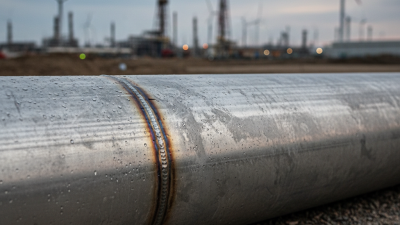
Another aspect to consider is the pipe's manufacturing process. Seamless pipes, often preferred for their strength, can be harder to source and cost more than welded pipes. However, they offer superior performance in high-stress applications. Some reports have indicated a potential failure rate of up to 10% for welded pipes in extreme conditions, emphasizing the need for careful evaluation. In some cases, balancing cost and performance may require trade-offs.
Comparative Analysis of Nickel Alloy Grades and Their Performance
When selecting nickel alloy steel pipes, understanding the performance of different alloy grades is essential. Nickel alloys are categorized by their composition and properties. For example, Alloy 600 offers excellent corrosion resistance and high-temperature strength. It is commonly used in chemical processing and aerospace industries. According to industry reports, its tensile strength can exceed 80,000 psi, making it a preferred choice for demanding applications.
Another notable grade is Alloy 625. This alloy is known for its exceptional weldability and resistance to pitting and crevice corrosion. Studies indicate it maintains its strength at temperatures up to 1,800°F. These attributes make Alloy 625 suitable for marine environments and oil and gas applications. However, the cost of these alloys can be considerably higher, potentially leading to budgetary constraints for some projects.
Comparative data across various industries reveals a trend towards using higher nickel content alloys, which often correlate with improved service life and reliability. Nonetheless, it's crucial to analyze the specific requirements of each application before making a decision. Not every project demands the highest grade available, and sometimes a more cost-effective option may suffice. Assessing operational conditions, like temperature and corrosive environments, will lead to more informed choices.
Comparative Analysis of Nickel Alloy Grades and Their Performance
Cost-Benefit Evaluation of Nickel Alloy Steel Pipes for Projects
When considering nickel alloy steel pipes, evaluating their cost-effectiveness is crucial for project success. Nickel alloy pipes are known for their corrosion resistance and durability, often making them the preferred choice for industries like oil and gas, chemical processing, and marine applications. A recent industry report indicated that using nickel alloy steel can increase a project’s lifecycle by up to 30%, thanks to its strength and endurance.
It's vital to assess specific project needs. For example, if high temperatures or aggressive environments are involved, the initial investment in nickel alloy may save on maintenance costs. Studies show that the failure rate of lower-quality materials can lead to replacement cycles that cost up to 50% more over time.
Tip: Always analyze long-term benefits versus upfront expenses. Comparing different materials may reveal hidden costs in the future. Consulting with material experts can provide insights into the right choice for unique environmental conditions.
Yet, it’s important to consider the balance. Not every project requires a high-end material like nickel alloy. For smaller projects or less critical applications, alternative materials could yield better financial outcomes without compromising safety.
Evaluating past project results can highlight these reflections.