Weathering Steel has gained immense popularity among global buyers due to its remarkable durability and aesthetic appeal. This unique material develops a protective layer of rust, which enhances its longevity and reduces maintenance costs. Many industries benefit from its use, including construction, transportation, and art. The visual appeal of Weathering Steel also makes it an attractive choice for architects and designers seeking to create striking structures.
This article explores the top ten benefits of Weathering Steel, offering insights into its performance and advantages. Buyers will find that investing in Weathering Steel can yield significant long-term returns. The material is not only reliable but also versatile, making it suitable for various applications. It’s crucial, however, to reflect on the limitations and maintenance needs of Weathering Steel to ensure optimal use.
Understanding these benefits will empower global buyers to make informed decisions about their projects. Whether for enhancing aesthetic value or ensuring structural integrity, Weathering Steel stands out as an excellent choice. Let’s delve into what makes this material a favorite among professionals worldwide.
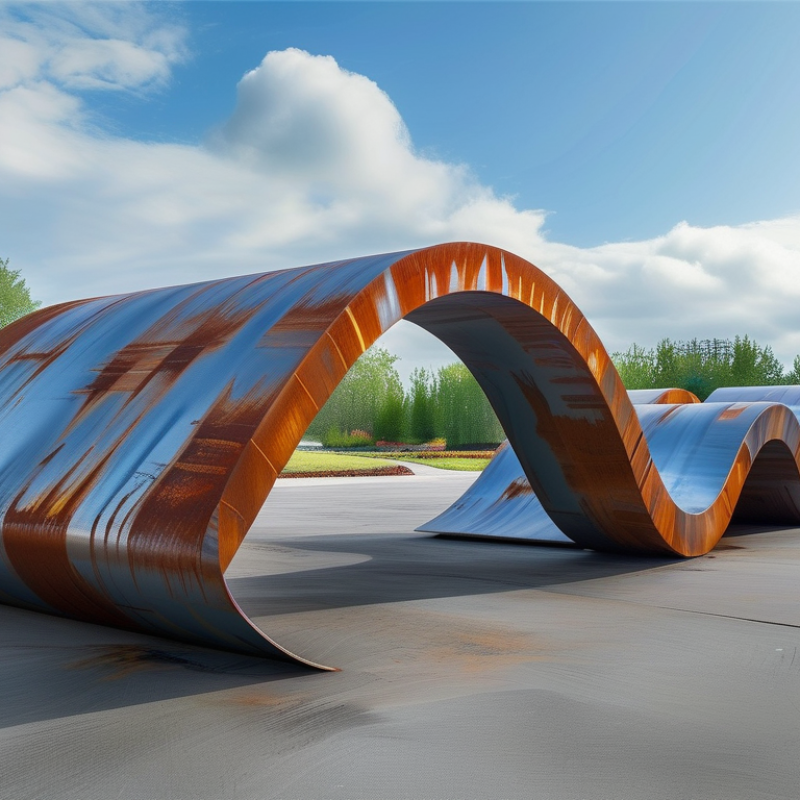
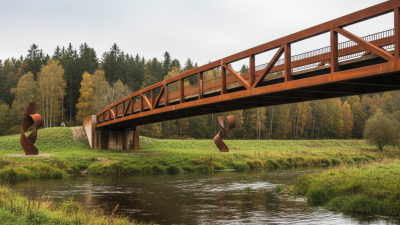
Weathering steel, known for its unique corrosion-resistant properties, offers numerous advantages across various industries. Its aesthetic appeal makes it a preferred choice for architectural projects. The rustic look of weathering steel blends harmoniously with natural surroundings. This characteristic appeals to artists and designers seeking to create visually striking structures.
In construction, weathering steel's durability is a game changer. Structures built with this material can withstand harsh environments. They require less maintenance compared to traditional steel. This longevity translates to lower costs over time. It's a wise decision for projects in challenging climates.
Tip: Consider conducting regular inspections to ensure the steel's protective layer remains intact.
Transport and shipping industries also benefit significantly. Weathering steel is often used in bridges and cargo containers. Its strength ensures safety and resilience during transit. Additionally, it maintains structural integrity under varying weather conditions.
Tip: Always test the steel’s resistance in specific environmental conditions. Understand how it interacts with other materials. This proactive approach can prevent future issues.
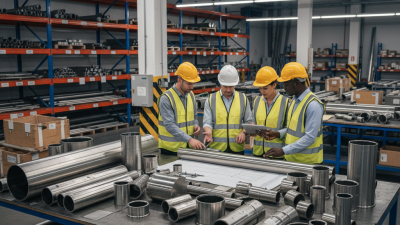
When exploring weathering steel, keep in mind aspects like sourcing and production. Locating reliable suppliers is crucial. Not all weathering steel is created equal. Research thoroughly to ensure the quality and authenticity of the product.
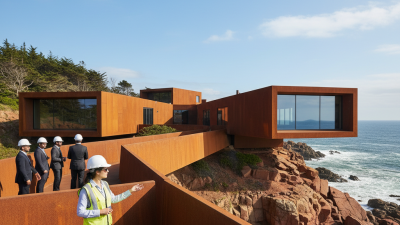
Weathering steel stands out for its exceptional durability and longevity. This type of steel naturally develops a stable rust layer that protects it from further corrosion. Studies indicate that weathering steel can last over 50 years, significantly reducing maintenance costs. Its lifespan surpasses typical carbon steel structures, which often require frequent repairs and replacements.
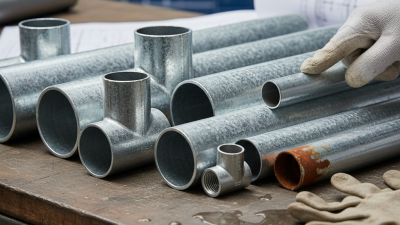
The resilience of weathering steel is backed by research from industry experts. A report by the American Institute of Steel Construction highlights that structures made of weathering steel demonstrate a lower rate of deterioration compared to their galvanized counterparts. In environments prone to moisture, weathering steel's ability to resist corrosion becomes particularly beneficial. This adaptability makes it ideal for bridges, buildings, and other infrastructure projects.
However, not all weathering steel applications are straightforward. The initial investment can be high, posing challenges for budget-constrained projects. Additionally, proper design is crucial to maximize the benefits of weathering steel. Miscalculations in drainage or ventilation can lead to premature corrosion. This highlights the need for skilled engineering to ensure the longevity that weathering steel offers.
Weathering steel has gained recognition for its long-term cost-effectiveness. This material develops a protective rust layer that significantly reduces maintenance costs. Buyers appreciate that, over time, weathering steel structures require less upkeep than traditional alternatives. This durability makes it an attractive choice for various projects.
Many buyers wonder about the initial investment. While weathering steel products may have a higher upfront cost, the long-term savings in maintenance and repairs can be substantial. Consider a bridge made of weathering steel. It may need repainting less frequently than other materials, leading to lower overall expenses.
Tip: Always analyze the lifecycle costs when evaluating material options. Ask about corrosion resistance and maintenance schedules. Don’t overlook the environmental impact either. Weathering steel often has lower emissions during production, enhancing its appeal for sustainable projects.
Over time, weathering steel can pay for itself through reduced care and replacement needs. Think about your project’s future. The investment in weathering steel could lead to significant savings down the line. Evaluate all factors, including aesthetics and functionality. Opt for materials that stand the test of time.
Weathering steel offers significant environmental benefits, making it a popular choice among various industries. This material requires less maintenance than traditional steel, leading to reduced resource consumption over time. Its natural oxidation process creates a protective layer, which minimizes the need for harmful coatings. As a result, weathering steel can decrease chemical runoff into the environment.
Utilizing weathering steel also contributes to sustainable construction practices. Its durability means structures can last longer without replacement, which reduces material waste. By choosing products that enhance longevity, buyers can support a circular economy. This creates a balance between meeting human needs and conserving natural resources.
**Tip:** Always consider the lifecycle of materials in your purchasing decisions. Evaluate how your choices impact the environment. Furthermore, engage with suppliers who prioritize eco-friendly practices. This ensures your investments align with sustainable goals, benefiting both your business and the planet.
The initial cost of weathering steel can be higher, which may require careful financial planning. However, the long-term savings and environmental advantages often justify this investment. Reflecting on these factors can guide better decision-making for future projects.
Weathering steel, known for its distinctive rust-like appearance, has captivated architects and buyers alike. This material develops a protective layer that not only enhances its resistance to corrosion but also offers a unique aesthetic appeal. The warm, earthy tones blend beautifully with nature, making it ideal for various architectural styles. From modern structures to traditional designs, weathering steel provides a timeless quality that captivates the eye.
When choosing weathering steel, consider its compatibility with surrounding materials. The rich color can contrast or harmonize with glass, wood, and stone. This versatility allows for creative expression. You can create a dramatic focal point or subtle accents in your design. Think about your local climate, too. Weathering steel behaves differently in humid versus dry environments, and this can influence its appearance over time.
Tips for using weathering steel include selecting panel sizes wisely. Large sheets can create impressive visuals but may require more maintenance. Ensure proper drainage in design to help manage runoff, which can affect the steel's patina. Lastly, consult with professionals who understand the material's lifecycle. Their expertise will help you make informed decisions and enhance your architectural vision.