How to Choose the Right Galvanized Steel Pipe for Your Needs?
Choosing the right galvanized steel pipe is crucial for any project. These pipes are known for their durability and resistance to corrosion. Understanding your specific needs is essential. Consider the environment where the pipe will be used. Will it be exposed to moisture or harsh chemicals?
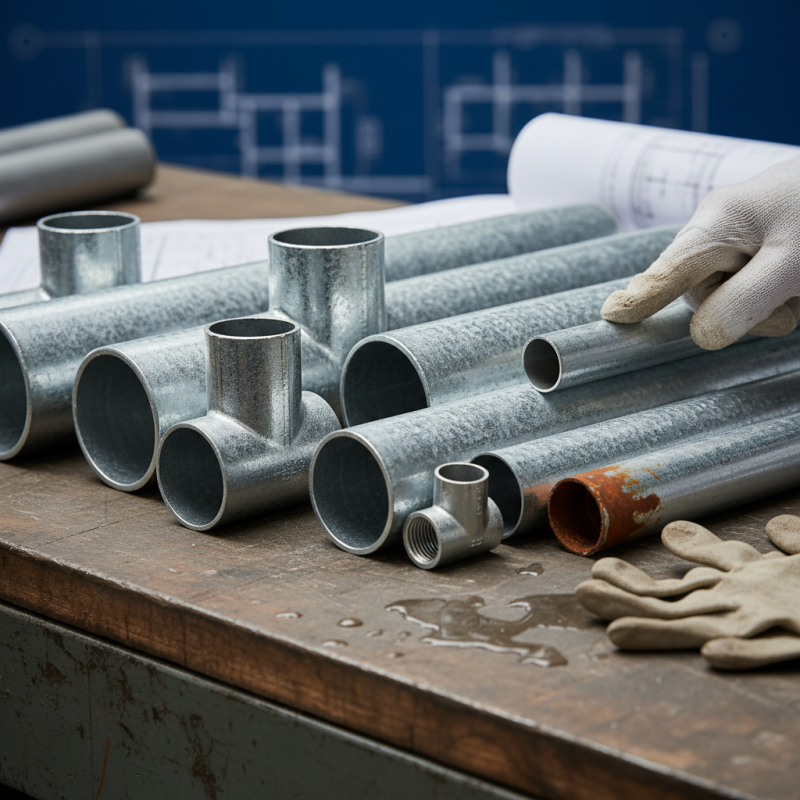
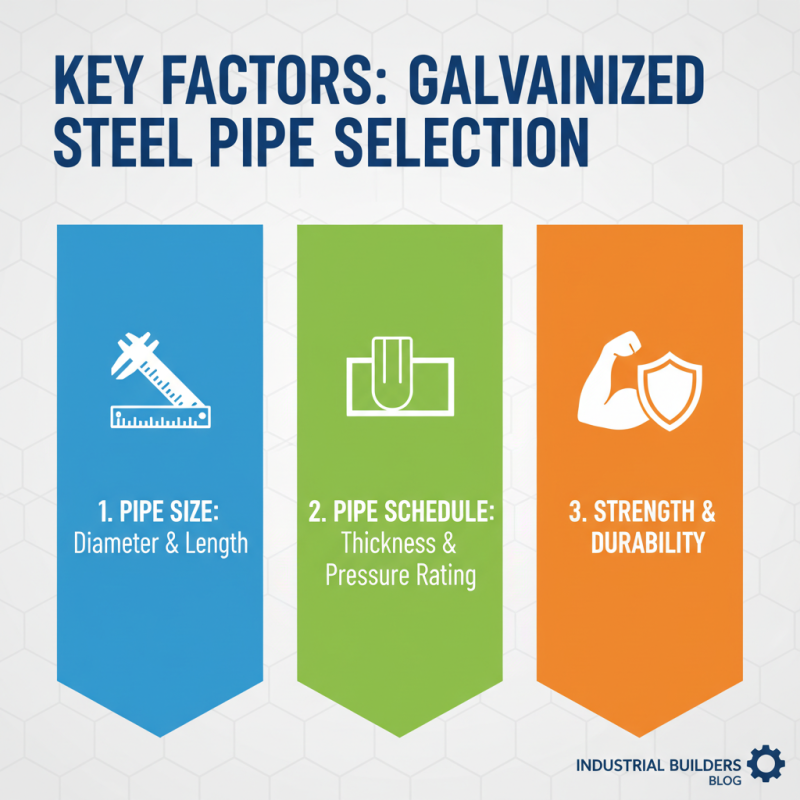
Galvanized steel pipes offer various sizes and thicknesses. Selecting the wrong type can lead to complications, such as leaks or premature failure. Take time to assess the pressure ratings and pipe fittings. Fitting compatibility is also vital for successful installation. Visualize how the pipe will fit within your setup.
It’s tempting to cut corners and choose the cheapest option. This may save money upfront but could lead to costly repairs later. Reflect on the long-term benefits of investing in quality galvanized steel pipes. Proper research ensures reliability in your infrastructure projects.
Understanding the Basics of Galvanized Steel Pipe
When selecting the right galvanized steel pipe, understanding its basic components is essential. Galvanized steel pipes are coated with zinc to prevent rusting and corrosion. This makes them popular for both indoor and outdoor applications. The coating thickness varies, influencing the pipe's durability and lifespan.
Tips: Always check the coating specification. A thicker coating may cost more but will stand up to harsher conditions. Consider your environment before making a choice.
Different sizes and grades of galvanized pipes are available. Each serves a distinct purpose. For example, heavy-duty pipes are ideal for construction, while lighter options suit plumbing tasks. It's crucial to match the pipe's specifications to your project needs.
Tips: Look for certified suppliers. They can assure you of quality and compliance with industry standards. Avoid purchasing from unknown sources, which can compromise integrity.
Galvanized Steel Pipe Selection Criteria
This bar chart illustrates typical values for selecting galvanized steel pipes based on key criteria such as pipe diameter, wall thickness, weight per meter, and length. Understanding these factors is crucial for choosing the right galvanized steel pipe for your needs.
Different Types of Galvanized Steel Pipe and Their Uses
When selecting a galvanized steel pipe, understanding its types and uses is essential. There are primarily two categories: seamless and welded pipes. Seamless pipes are manufactured by extrusion processes. They exhibit superior strength and are ideal for high-pressure applications. Welded pipes, crafted from flat sheets, are generally more affordable. They are suitable for low-pressure systems but may be less durable in demanding environments.
The applications of galvanized steel pipes vary widely. For water supply lines where corrosion resistance is crucial, galvanized pipes are a common choice. In residential settings, they provide reliable plumbing solutions. However, they may rust over time if not properly maintained. Additionally, in industrial settings, galvanized steel pipes are often used for structural frameworks. These pipes provide strength while being lightweight. Each type has specific strengths and weaknesses, warranting careful consideration of your project's unique needs.
While galvanized steel pipes are popular, their limitations deserve attention. For instance, the thickness of the zinc coating can affect lifespan. Choosing the wrong type may lead to unnecessary repairs. It's essential to weigh these factors against project requirements for optimal results.
How to Choose the Right Galvanized Steel Pipe for Your Needs?
| Type of Pipe |
Diameter (inches) |
Wall Thickness (inches) |
Common Uses |
| Schedule 40 |
1.00 |
0.133 |
Water supply, construction |
| Schedule 80 |
1.50 |
0.179 |
Industrial piping, heavy-duty construction |
| Galvanized Pipe |
2.00 |
0.218 |
Fencing, scaffolding |
| Black Steel Pipe |
0.75 |
0.090 |
Heating, plumbing |
| Seamless Pipe |
3.00 |
0.250 |
Oil and gas transportation |
Assessing the Quality and Durability of Galvanized Steel Pipe
When assessing the quality and durability of galvanized steel pipes, several factors come into play. One crucial aspect is the thickness of the zinc coating. Thicker coatings provide better corrosion resistance, which is essential for longevity in harsh environments. The standard coating measures can vary, but it’s wise to choose pipes with a heavier zinc layer for industrial applications. A visual inspection can reveal uneven coatings, which might indicate inferior manufacturing processes.
Another important consideration is the pipe's structural integrity. Conducting tests for resistance to bending and pressure can offer insights into durability. Well-manufactured pipes should withstand significant stress without deforming. You can sometimes notice subtle flaws, like slight dents or irregularities, that might compromise their performance. While these imperfections might seem minor, they could lead to bigger issues down the line, especially in critical applications.
Remember that the origin of the material also affects its quality. Sourcing from reputable manufacturers can minimize risks. Manufacturers with a track record of quality assurance can provide documentation about their products. However, even reputable sources aren't infallible. Occasionally, even top-tier pipes can exhibit issues that require careful evaluation before use. By being diligent and conducting thorough assessments, you can ensure that your choice of galvanized steel pipe meets your specific needs sustainably.
Common Applications and Industries for Galvanized Steel Pipe
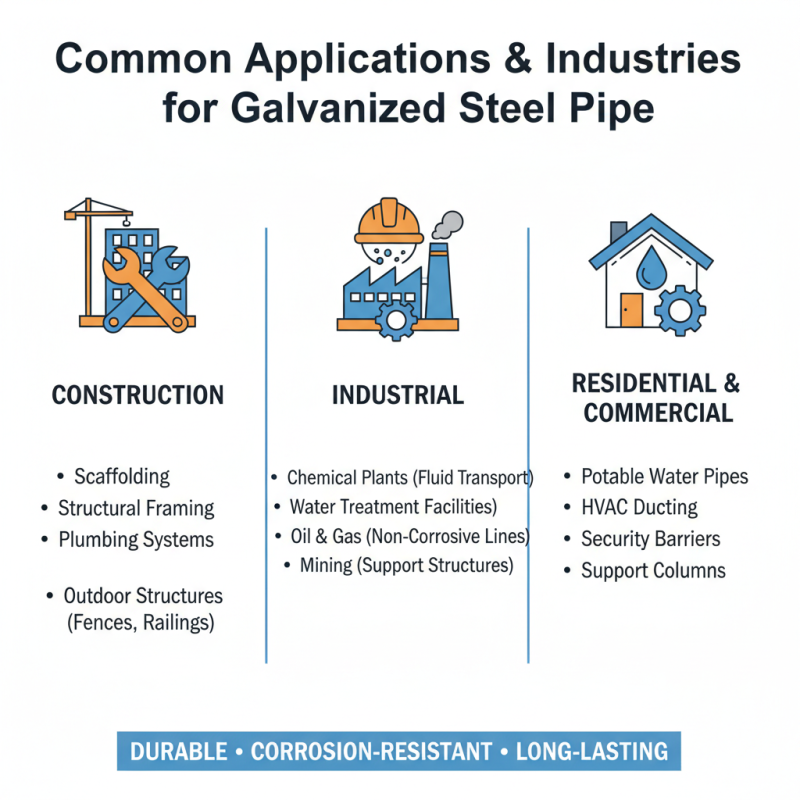
Galvanized steel pipes serve various industries due to their durability and resistance to corrosion. In construction, they are often used for scaffolding, framing, and plumbing systems. Their ability to withstand harsh environments makes them suitable for outdoor applications. These pipes can be found in both residential and commercial buildings, ensuring longevity and reliability.
In agriculture, galvanized steel pipes are widely utilized for irrigation systems and livestock housing. Their strength supports structural integrity in challenging weather conditions. Many farms choose these pipes for their low maintenance requirements, allowing farmers to focus on other tasks. While the initial cost might be higher, the long-term savings and reduced need for replacements create value.
Manufacturing also benefits from galvanized steel pipes. They are essential for handling chemicals and gases in factories. Their protective coating prevents rust, which is crucial in industries dealing with moisture and corrosive substances. However, it's important to assess the specific needs of each application before making a decision. Not every industry will require galvanized steel pipes, as alternatives might be more appropriate.