Top Rebar Bending Tools for Efficient Reinforcement Shaping?
In construction, efficiency is crucial. Rebar Bending Tools play a vital role in shaping reinforcement bars. According to a recent market analysis by Smith Research, the demand for these tools has surged by 25% over the past year, highlighting their importance in modern construction practices. Expert engineer John Davis states, “Innovative Rebar Bending Tools save time and enhance precision on job sites.”
A well-designed rebar bending tool can significantly reduce labor costs. Properties, such as portability and ease of use, contribute to their increasing popularity. As projects become more complex, the need for accuracy in bending rebar is paramount. Survey results show that 93% of industry professionals consider tool efficiency a top priority.
However, not all tools are created equal. Some products remain underwhelming in performance, leading to wasted time and resources. This aspect calls for careful selection and reflection on which tools deliver true value to users. By investing in high-quality Rebar Bending Tools, contractors can improve productivity and project outcomes.
Understanding Rebar Bending Tools and Their Importance in Construction
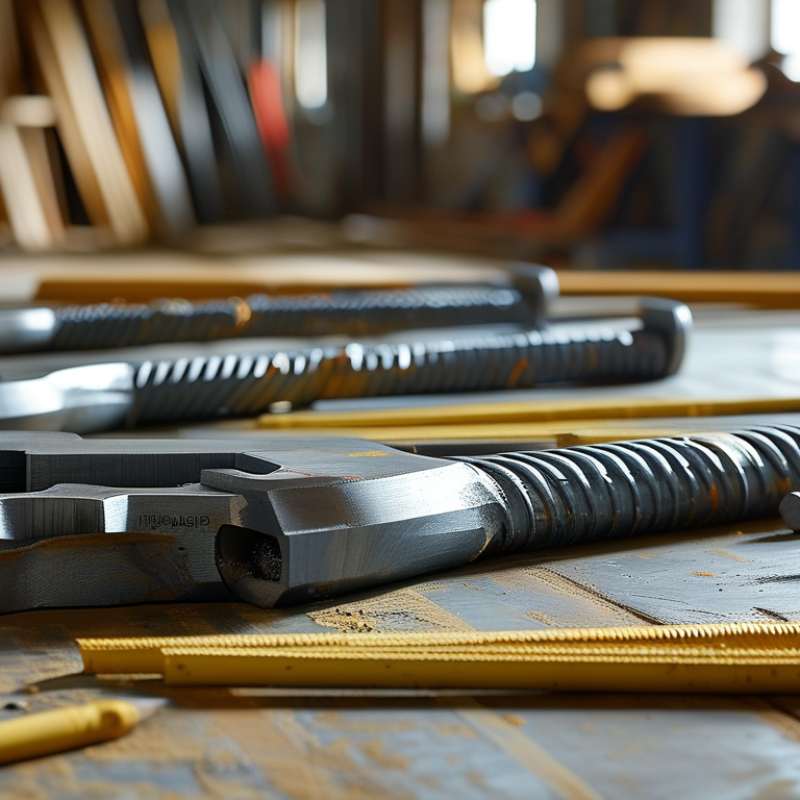
Rebar bending tools play a vital role in construction projects. They ensure that metal reinforcement bars are shaped accurately, providing structural integrity to buildings. Without proper bending tools, the quality of the reinforcement can suffer. This may lead to unstable structures and costly repairs in the future.
A variety of rebar bending tools exist, each offering unique features for different tasks. Manual benders are simple and effective for small jobs. On the other hand, electric benders offer speed and consistency for larger projects. Experienced workers must choose the right tool based on project requirements and their skill level.
Using rebar bending tools requires practice. It’s easy to make mistakes, especially with complex shapes. Improper bends can waste materials and time. Reflecting on past experiences with these tools can lead to better techniques. Continuous learning and adapting enhance efficiency in rebar shaping.
Top Rebar Bending Tools for Efficient Reinforcement Shaping
| Tool Name |
Type |
Capacity (Rebar Size) |
Material |
Weight |
Price Range |
| Manual Rebar Bender |
Manual |
#3 to #5 |
Steel |
10 lbs |
$50 - $80 |
| Electric Rebar Bender |
Electric |
#3 to #7 |
Aluminum |
30 lbs |
$200 - $400 |
| Hydraulic Rebar Bender |
Hydraulic |
#4 to #8 |
Steel |
50 lbs |
$600 - $800 |
| Rebar Bending Machine |
Stationary |
#3 to #10 |
Steel & Aluminum |
150 lbs |
$1,000 - $2,500 |
Types of Rebar Bending Tools: Manual vs. Electric Options
When it comes to rebar bending tools, the choice between manual and electric options significantly impacts efficiency and ease of use. Manual tools are often favored for their simplicity and low cost. They require physical effort, which can be a workout. However, bending rebar manually can be time-consuming. Many professionals find that this option is suitable for small-scale projects or when fewer bends are needed.
On the other hand, electric rebar bending tools streamline the process considerably. These tools often come equipped with powerful motors, allowing for quick and precise bends. They can handle larger projects with ease, saving both time and labor. Electric models usually have adjustable settings to customize the bend radius. However, they tend to be pricier and may require more maintenance. It's essential to consider the scale of your project when choosing between these tools.
Each option has its own pros and cons. While manual tools provide a workout, they may not be practical for larger jobs. Electric tools, while efficient, require a power source and proper handling. Being aware of these details can influence your choice and ultimately affect your productivity.
Key Features to Consider When Choosing Rebar Bending Tools
When selecting rebar bending tools, several key features demand attention. The tool's
construction material is critical. Durable materials ensure longevity, especially in heavy-use environments.
Options vary from lightweight aluminum to robust steel, impacting the tool's overall weight and handling.
Bending capacity is another essential feature. Different tools offer various
bending angles and sizes. Ensure the tool can accommodate your project’s specifications. Some models may limit your
options for intricate designs, leading to potential mistakes.
Additionally, ease of use should be a priority. Ergonomic designs reduce fatigue
during extended use. Some tools require more effort, leading to slower project completion times. Pay attention to the
tool's portability, especially if your projects are frequently on-site. This choice can deeply affect efficiency and
workflow.
Tips for Using Rebar Bending Tools Efficiently and Safely
When working with rebar bending tools, safety and efficiency are key. It's vital to understand your tools thoroughly. A well-maintained tool will bend rebar consistently and accurately. Always inspect the tool before use. Check for any damage or wear. This helps prevent accidents on site.
Using a rebar bender requires focus. Make sure to wear appropriate safety gear, including gloves and goggles. These protect against sharp edges and flying debris. Keep your workspace organized to avoid potential hazards. Also, avoid rushing the job; hasty movements can lead to errors. Measure your bends carefully to ensure precision.
It's beneficial to practice on scrap rebar before having a live project. Mistakes may happen, and this is part of the learning process. Always document your techniques and results. Reflecting on past projects helps improve your skills over time. Consider sharing your experiences with colleagues, fostering a culture of knowledge.
Top Rebar Bending Tools for Efficient Reinforcement Shaping
This chart illustrates the efficiency ratings of various rebar bending tools. The ratings are based on user feedback and performance measures, indicating how effectively each tool shapes rebar for construction tasks.
Maintaining Your Rebar Bending Tools for Longevity and Performance
Rebar bending tools are essential for shaping reinforcement bars. To ensure they last, regular maintenance is crucial. Tools should be cleaned thoroughly after each use. Dirt and debris can accumulate, hindering performance. A simple brush can remove grime effectively.
Check for wear and tear regularly. Inspect blades and joints for any signs of damage. If you notice any issues, address them promptly. Neglecting small problems can lead to bigger ones. Lubrication is another critical step. Applying the right oil reduces friction and enhances functionality.
Store tools properly to prevent rust. A dry, cool place will suffice. It’s easy to overlook storage, but it matters. Proper care can prolong the lifespan of your tools. Remember, just like any equipment, rebar bending tools require attention and care.