Best Brass Pipe Options for Global Buyers Seeking Quality
In the global market, quality and durability are paramount when selecting Brass Pipes. According to noted industry expert, John Thompson, “The right brass pipe can transform efficiency in industrial applications.” His insights highlight the importance of choosing well-manufactured pipes. Buyers must navigate options that vary widely in quality and application.
Brass Pipes are widely used in plumbing, heating, and industrial systems. Their corrosion resistance and strength make them a reliable choice. However, not all brass pipes are created equal. Some may lack the necessary standards for safety and performance. As Thompson warns, “Selection based on price alone can lead to costly failures.” This reinforces the need for careful evaluation.
When sourcing Brass Pipes, consider the manufacturer’s reputation. Gathering reviews and feedback from industry peers can provide guidance. Knowledge of industry standards is crucial. Quality materials ensure better long-term performance. Yet, many buyers often overlook this aspect. The balance between cost and quality can be tricky but is essential for lasting applications.
Benefits of Using Brass Pipes in Various Applications
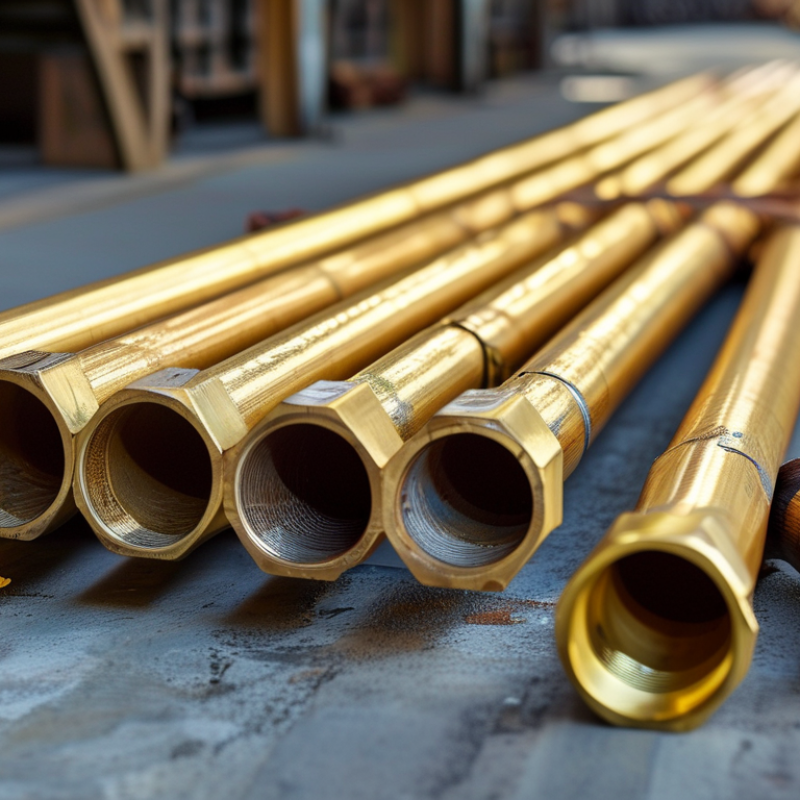
Brass pipes offer numerous benefits in various applications. Their corrosion resistance is a key advantage, making them suitable for plumbing and heating systems. In environments where moisture is prevalent, brass pipes remain durable. This longevity reduces maintenance costs over time and enhances system reliability.
Another benefit is their malleability. Brass pipes can be easily shaped and joined. This flexibility allows for complex designs in architecture and construction. However, the ease of manipulation can lead to overuse, resulting in potential weak spots. It's crucial for manufacturers to strike a balance between flexibility and structural integrity.
Temperature resistance is another appealing aspect of brass pipes. They can withstand high heat, making them ideal for both hot water lines and industrial applications. Yet, extreme conditions can sometimes affect their performance. Careful consideration of the operational environment is essential to ensure the stability of the system. This involves thorough planning and quality assurance throughout the manufacturing process.
Key Factors to Consider When Choosing Brass Pipes
Selecting the right brass pipe is crucial for various applications. Buyers should consider several key factors. One major aspect is the pipe's thickness. Thicker pipes generally offer better durability and resistance to corrosion. However, this often comes with a higher price tag. It's essential to strike a balance between cost and quality.
Another important factor is the manufacturer's reputation. A well-regarded manufacturer typically adheres to stringent quality control standards. Investing in pipes from reliable sources minimizes potential issues down the road. Buyers should also pay attention to certifications and industry standards. These indicators provide a level of assurance regarding product reliability and safety.
Additionally, the intended use of the brass pipe plays a significant role in the selection process. Different applications may require specific grades of brass. Some environments may call for pipes with higher resistance to heat or pressure. Understanding the application's unique demands is vital. Yet, many buyers overlook this, potentially leading to subpar performance. Making an informed choice requires careful consideration of all these factors.
Best Brass Pipe Options for Global Buyers Seeking Quality - Key Factors to Consider When Choosing Brass Pipes
| Pipe Size (inches) |
Wall Thickness (mm) |
Length (m) |
Grade |
Corrosion Resistance |
Price (USD per meter) |
| 1/2 |
2.0 |
6 |
C36000 |
Excellent |
10.00 |
| 3/4 |
2.5 |
6 |
C38000 |
Good |
12.00 |
| 1 |
3.0 |
6 |
C38500 |
Very Good |
15.00 |
| 1 1/4 |
3.2 |
6 |
C44300 |
Excellent |
20.00 |
| 1 1/2 |
3.5 |
6 |
C36011 |
Good |
25.00 |
Top Global Manufacturers of Quality Brass Pipes
When searching for quality brass pipes, it's crucial to understand the market landscape. Numerous global manufacturers specialize in producing durable and reliable brass pipes. Their experience and expertise play a vital role in ensuring high standards. Factors like material composition, manufacturing techniques, and quality control processes affect the overall performance of these pipes.
One must consider the specifications when selecting brass pipes. Look for detailed information on dimensions, wall thickness, and pressure ratings. These details impact their usability in various applications. Always ask for certifications that verify compliance with international standards. This adds a layer of confidence in your purchase.
Think about sourcing from multiple manufacturers. This approach expands your options and allows for price comparisons. Engaging with manufacturers directly can lead to better negotiations. Remain informed about market trends. Those who do so can make more educated decisions. Quality is paramount, but always reflect on long-term effects, including maintenance and replacement costs.
Comparative Analysis of Different Brass Pipe Grades
When evaluating brass pipe grades for global buyers, it’s crucial to consider both composition and application. Brass pipes are typically classified into various grades based on their zinc and copper content. Common options include C36000, C46400, and C38500. Each grade offers different properties that affect durability and corrosion resistance. For instance, C36000 is known for excellent machinability and is often used in precision fittings. On the other hand, C46400 provides enhanced strength, making it suitable for heavy-duty applications.
A report by the International Copper Association highlights that the increase in lead-free mandates has significant implications for brass production. Buyers must be aware that transitioning to lead-free options, such as C68700, may yield changes in mechanical performance. This grade maintains good ductility while improving environmental compliance. However, not all lead-free brass is equal; properties can vary widely among manufacturers. The industry faces the challenge of balancing quality with compliance.
While brass pipes are favored for their resilience, some grades may suffer from pitting corrosion in chlorinated environments. It's crucial to assess the operational conditions before selecting a grade. Buyers should also consider the cost implications; premium grades may seem attractive but could lead to higher manufacturing expenses. Understanding the nuanced trade-offs between grades can enhance decision-making in sourcing quality brass pipes.
Comparative Analysis of Brass Pipe Grades
Maintenance and Longevity of Brass Pipe Systems
Brass pipe systems are renowned for their durability and corrosion resistance. Proper maintenance is crucial for ensuring their longevity. Regular inspections help identify weaknesses, such as leaks or corrosion spots, before they escalate. Keeping pipes clean is essential. Debris and mineral build-up can lead to blockages and reduced flow.
Temperature fluctuations can also affect brass pipes. Extreme heat or cold can cause expansion and contraction. If not monitored, this could result in fractures. It’s wise to insulate brass pipes in unheated areas. This simple step can prevent significant damage and costly repairs.
While brass pipes offer many benefits, they are not impervious to issues. Over time, they may develop oxidation. Regular maintenance can mitigate this. Using suitable cleaners can help retain their luster. However, some users might overlook the importance of routine checks. This oversight can lead to unexpected expenses. Investing time in maintenance yields long-term benefits, ensuring reliability and performance.