What Is the Best Structural Steel Manufacturer in China?
Choosing the best Structural Steel manufacturer in China requires more than comparing prices. Buyers must examine quality systems, production capacity, material traceability, and project experience. A reliable supplier should provide mill certificates, welding procedure records, dimensional reports, and inspection evidence. Details matter.
Fazlur Rahman Khan, one of the most influential structural engineers of the twentieth century, observed, “Technical men must not be lost in their own technology.” This principle remains valuable when assessing Chinese steel manufacturers. Advanced machinery means little without experienced engineers, disciplined inspection, and clear communication. The strongest manufacturers connect design calculations with practical fabrication. They understand how a beam leaves the workshop and performs inside a real building.
This article compares leading Chinese manufacturers through a practical lens. It considers steel grades, fabrication accuracy, corrosion protection, testing procedures, export experience, and delivery reliability. Certifications can support trust, but they cannot replace evidence from completed projects. A factory tour, sample inspection, or independent third-party audit may reveal more than a polished website. That may sound obvious, yet many purchasing decisions still rely on attractive quotations.
There is no universal “best” manufacturer. The right choice depends on structural complexity, location, budget, schedule, and required standards. A supplier suitable for a warehouse may fail to meet a high-rise project’s demands. China offers impressive production capability, but quality can vary between factories. Careful verification remains essential. This guide aims to separate measurable performance from marketing language and help buyers make a more defensible decision.
Defining What Makes a Structural Steel Manufacturer the Best
What Is the Best Structural Steel Manufacturer in China?
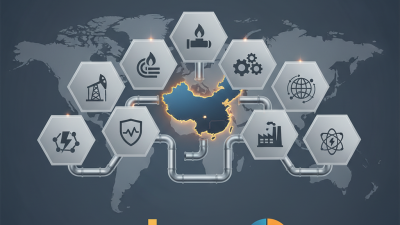
The best structural steel manufacturer is not automatically the cheapest supplier. It is the one that delivers verified strength, consistent dimensions, and dependable project support. World Steel Association data reports that China produced about 1,005 million tonnes of crude steel in 2024. This scale creates opportunities, but capacity alone proves little.
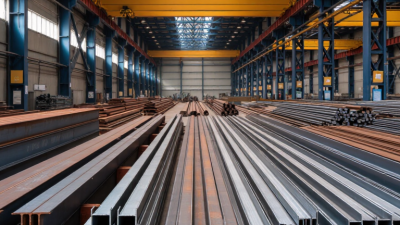
Quality begins with traceability. Every beam, plate, and welded connection should link to heat numbers, mill certificates, and inspection records. A professional supplier can provide tensile results, impact values, chemical composition, and ultrasonic testing data. Factory audits should also examine calibration systems, welding procedures, coating thickness, and packing conditions. Small details matter. One missing certificate can delay installation and create expensive uncertainty.
Environmental performance deserves equal attention. The International Energy Agency estimates that steel production creates roughly 8% of global energy-related emissions. Therefore, buyers should request energy data, recycled-content information, and credible emissions reporting. Delivery reliability also needs evidence, including on-time shipment records and realistic production schedules. In practice, no manufacturer performs perfectly on every project. That is an important limitation. The strongest choice is a transparent manufacturer that acknowledges defects, corrects root causes, and communicates before problems become site failures. A low price may look attractive. Reliable evidence is more valuable.
Key Capabilities of China’s Structural Steel Industry
What Is the Best Structural Steel Manufacturer in China?
The best manufacturer is not always the largest producer. It should combine traceable materials, accurate fabrication, strong engineering support, and dependable delivery. The World Steel Association’s World Steel in Figures 2024 reports that China produced 1,019.1 million tonnes of crude steel in 2023. That represented roughly 54% of global output. However, crude steel volume does not prove structural fabrication quality. Buyers should examine welding procedures, dimensional tolerances, coating control, and inspection records. These details become visible on a busy construction site. A misplaced hole can delay an entire connection.
Tips:
Request mill certificates, weld maps, non-destructive testing records, and sample inspection reports. Check whether production follows applicable standards, such as EN 1090, AISC, or Chinese GB standards. Verify the exact project scope.
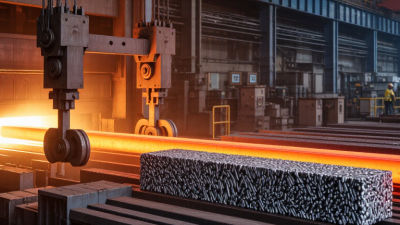
China’s structural steel industry benefits from deep supply chains, large fabrication yards, CNC cutting, robotic welding, and advanced surface treatment. The International Energy Agency’s Iron and Steel Technology Roadmap identifies efficiency and emissions reduction as major industry priorities. This matters because responsible manufacturers increasingly measure energy use, scrap rates, and coating waste. Digital tracking also improves accountability from coil receipt to final loading. Still, automation cannot replace experienced supervision. Human review remains essential around weld starts, complex nodes, and rushed modifications.
A practical evaluation should compare total project risk, not only price. Ask about production capacity during peak seasons. Review similar tonnage, connection complexity, export packing, and site-support experience. Some suppliers present impressive machinery but provide weak documentation. That gap deserves attention. A careful buyer should use independent inspection when the structure is safety-critical.
Selecting the Right Chinese Structural Steel Manufacturer for Your Project
Selecting the Right Chinese Structural Steel Manufacturer for Your Project
Choosing the best structural steel manufacturer in China depends on project evidence, not attractive promises. Review the manufacturer’s experience with your required steel grades, connection details, and production volume. A capable supplier should explain its welding procedures, dimensional tolerances, surface treatment, and quality inspection process clearly. Ask for recent project records, factory photographs, and relevant certifications. Documents alone are not enough.
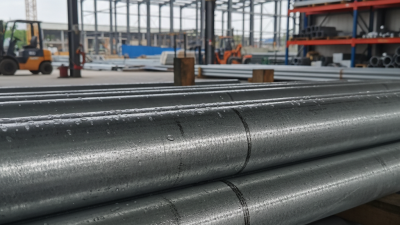
Request material test certificates for every major batch. Check heat numbers, chemical composition, yield strength, and impact performance. The manufacturer should maintain traceability from raw material delivery to final packing. For fabricated beams or columns, inspect cutting accuracy, weld appearance, bolt-hole positions, and coating thickness. A practical factory audit can reveal more than a polished website. If travel is difficult, use independent inspection before shipment.
Tips: Send detailed drawings, acceptance standards, packing requirements, and delivery dates. Ask for a small sample or trial order when possible. Compare quotations by specification, inspection scope, packaging, and replacement terms, not price alone. Keep communication records and confirm technical changes in writing. I once underestimated packing quality; painted steel arrived with damaged edges after a long sea journey. That mistake changed my checklist. Also, do not assume a large production capacity guarantees careful work. Ask who supervises your order, how often progress updates are issued, and what happens when measurements fall outside tolerance. Reliable cooperation is built through visible controls.