China Top Steel Metal Pipes Manufacturers for Global Buyers
China remains a major production base for Steel Metal Pipes, serving construction, energy, machinery, and infrastructure buyers worldwide. The scale is substantial. World Steel Association reported global crude steel production of approximately 1.89 billion tonnes in 2023. China produced more than half of that volume, demonstrating its manufacturing depth and supply-chain reach.
Pipes are not simple commodities. Wall thickness, outside diameter, steel grade, welding method, and surface treatment affect service life. A poorly matched specification can create costly failures in pressure, corrosion, or installation. That reality deserves attention. John Ferriola, former Nucor chairman and steel industry leader, stated, “Steel is the most recycled material in the world.” His comment highlights steel’s durability and continuing industrial value.
The OECD Steel Outlook 2024 also points to persistent global overcapacity and changing demand patterns. Buyers therefore need more than attractive quotations from Chinese suppliers. They should examine mill certificates, third-party inspection records, production equipment, and export experience. ISO 9001 systems help, but they do not replace product-level verification. Ask for chemical composition, mechanical test results, hydrostatic testing, and coating records.
Reliable manufacturers can explain these details clearly. They should also support standards such as API 5L, ASTM, EN, DIN, or GB, depending on the project. Factory audits can reveal practical differences, including storage conditions and calibration discipline. These details matter.
This guide introduces leading China Steel Metal Pipes manufacturers for global buyers. It compares capabilities, applications, certifications, and communication reliability. No supplier is perfect. Careful evaluation remains essential before signing a purchase contract.
Types of Steel and Metal Pipes Supplied by Chinese Manufacturers
Chinese manufacturers supply steel and metal pipes for construction, energy, water treatment, and industrial equipment. The World Steel Association reported 1,019.1 million tonnes of crude steel production in China in 2023. This manufacturing depth supports broad pipe choices, but capacity does not guarantee uniform quality.
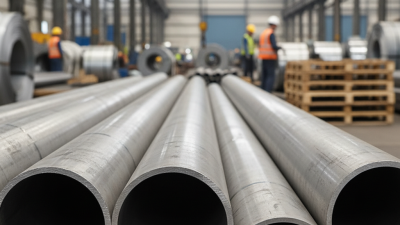
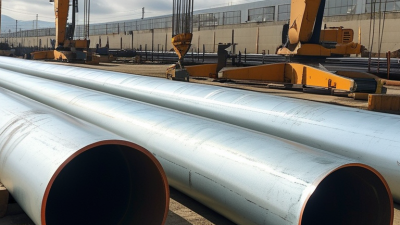
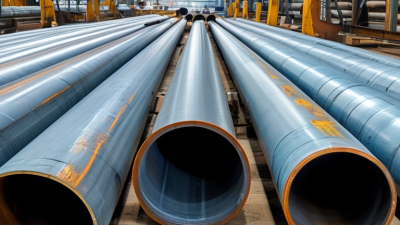
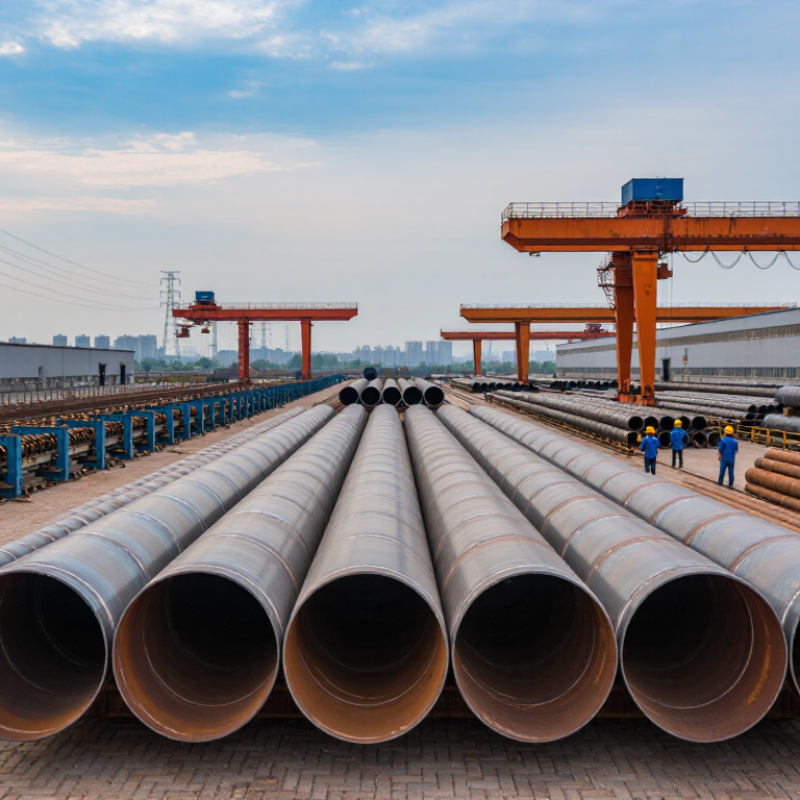
Carbon steel pipes remain common for structural frames, compressed air, and water systems. Seamless pipes provide a continuous body without a welded seam. They fit high-pressure and high-temperature applications when the grade and heat treatment are suitable. ERW pipes offer efficient production for many moderate-pressure systems. LSAW and SSAW pipes serve large diameters, including piling and long-distance water lines. Galvanized pipes add zinc protection for exposed service. Stainless steel pipes resist corrosion in food, chemical, and coastal environments. Alloy steel pipes support demanding thermal conditions.
Metal pipe supply may also include aluminum and copper tubes for lighter equipment or heat transfer. Buyers should compare chemical composition, wall thickness, ovality, and end preparation. Standards such as ASTM, EN, and API help define these requirements. A mill test certificate is useful, but it is not proof of every shipment’s condition. Small details matter. Independent inspection, dimensional checks, and pressure testing can expose problems before loading. However, inspection plans can still miss poor traceability or unsuitable storage. Experienced buyers therefore review production records, welding procedures, coating thickness, and packing photographs before accepting a quotation.
How to Evaluate China’s Steel Pipe Manufacturers
When evaluating China’s steel pipe manufacturers, look beyond production capacity and polished websites. A reliable supplier should explain its steel grades, pipe dimensions, heat treatment, and inspection process in clear technical language. Ask for recent mill test certificates, heat numbers, and traceability records. These documents should match the actual shipment, not a generic sample file.
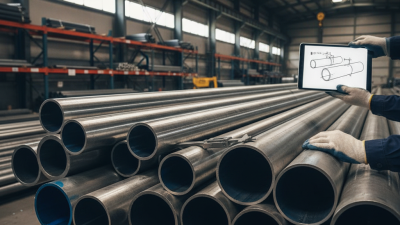
Request a production sample when possible. Check wall thickness at several points, surface marks, straightness, and end preparation. For critical applications, independent inspectors can witness ultrasonic testing, hydrostatic testing, and dimensional checks. Confirm whether the factory follows the required ASTM, EN, or other project standards. Certification alone is not enough. Its scope and expiration date matter.
I once trusted a detailed brochure too quickly. That was a mistake. A serious manufacturer welcomes factory audits, provides realistic lead times, and explains rejected material procedures. Review its experience with similar pipe sizes, coatings, and shipping conditions. Ask how it protects pipes during loading; wooden supports, end caps, and moisture barriers can prevent costly damage. Communication also reveals expertise. Vague answers about tolerances or chemical composition deserve caution. Some factories may have excellent equipment but weak documentation, so evaluate both sides. Keep written specifications, approved drawings, and inspection points before production begins.
China Top Steel Metal Pipes Manufacturers for Global Buyers
How to Evaluate China’s Steel Pipe Manufacturers
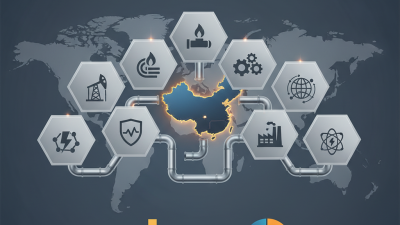
This buyer evaluation model prioritizes product conformity, quality assurance, production capability, delivery performance, export readiness, total cost, and technical support. Buyers should verify each factor through mill certificates, applicable standards such as ASTM, API, EN, or ISO, inspection reports, production records, and contract-level delivery data.
Comparing Prices, Lead Times, and Long-Term Supplier Value
China Top Steel Metal Pipes Manufacturers for Global Buyers
Price is only the opening figure. A low quotation can exclude testing, packaging, surface treatment, or inland delivery. Compare the full landed cost instead. Ask for the steel grade, outside diameter, wall thickness, tolerance, and coating specification. A reliable manufacturer should provide mill certificates and recent inspection records. These documents help buyers verify chemistry, strength, and dimensional accuracy before shipment.
Lead time deserves equal attention.
Standard carbon steel pipes may ship within weeks, while custom sizes or special coatings can take longer. Confirm production capacity, material availability, inspection dates, and port schedules in writing. In real procurement work, a supplier promising ten days may later need three weeks. That gap can disrupt installation crews and storage plans. I have also seen buyers overvalue a small price reduction and underestimate replacement costs. That judgment deserves review.
Tips:
Request a sample inspection before mass production. Compare at least three detailed quotations. Check whether the supplier handles export packing properly. Ask how defects are reported and resolved. A strong long-term partner communicates clearly, maintains consistent tolerances, and explains delays early. Track defect rates, response times, and delivery accuracy after every order. These records reveal supplier value more honestly than a polished sales presentation.