Why Choose Aluminum Steel Pipe for Your Next Project?
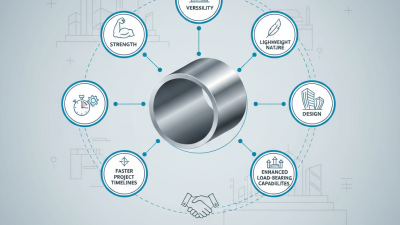
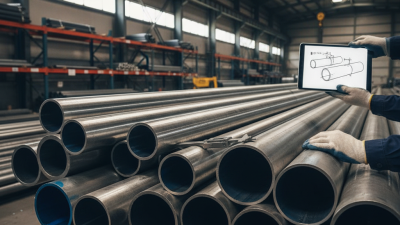
When it comes to construction and manufacturing, choosing the right material is crucial. Aluminum Steel Pipe stands out for its strength and versatility. Industry expert Dr. Helen Carter states, "Aluminum Steel Pipe offers a unique balance of durability and lightweight properties." This combination makes it an ideal choice for a variety of projects.
Aluminum Steel Pipe is resistant to corrosion and extreme weather. This resilience ensures longevity in demanding environments. Many engineers prefer this material for infrastructure that faces harsh conditions. However, not all projects may benefit equally from its qualities. Evaluating specific needs is essential.
Cost considerations could lead some to overlook Aluminum Steel Pipe. While initial expenses may be higher, its durability often means lower maintenance costs over time. Ultimately, the decision should be informed by both project requirements and long-term goals. Embracing innovation in material selection is key to successful outcomes.
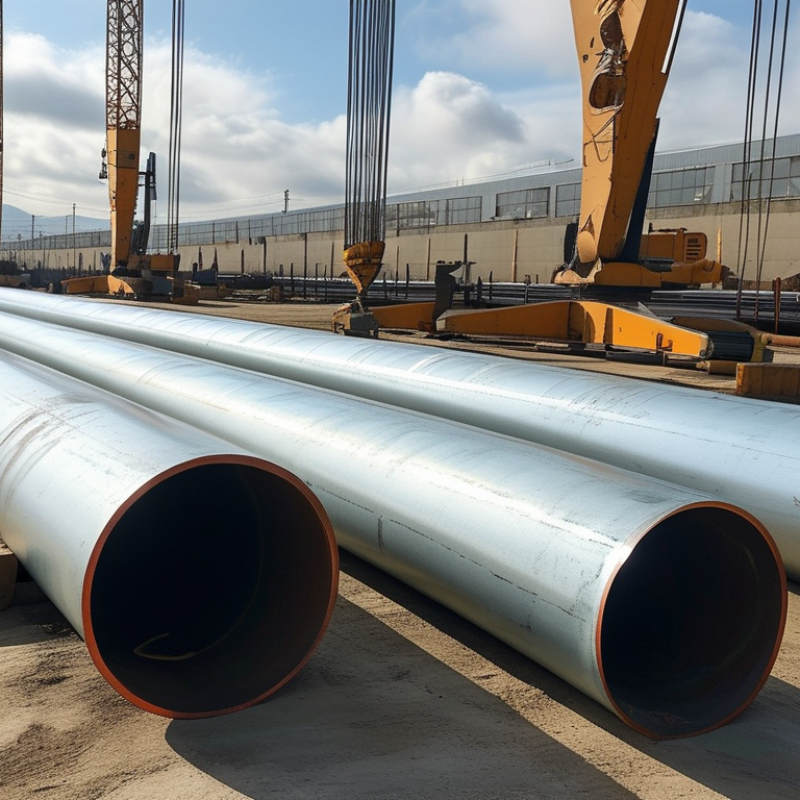
Benefits of Using Aluminum Steel Pipe in Construction Projects
Aluminum steel pipe is gaining popularity in construction. Its unique blend of aluminum and steel offers several advantages. Firstly, it is lightweight yet strong. This makes it easier to handle and install. Workers can save time during the construction process.
Corrosion resistance is another key benefit. Aluminum steel pipe naturally resists rust and deterioration. This feature extends the lifespan of projects. It helps minimize future maintenance costs. In humid or coastal environments, this attribute becomes essential.
However, it's important to consider potential downsides. The initial cost can be higher than traditional materials. Some might find this off-putting. It's crucial to evaluate whether long-term savings offset the upfront investment. Changes in project requirements can also impact the effectiveness of aluminum steel pipes. Careful planning is necessary.
Benefits of Using Aluminum Steel Pipe in Construction Projects
Comparison of Aluminum Steel Pipe to Other Materials
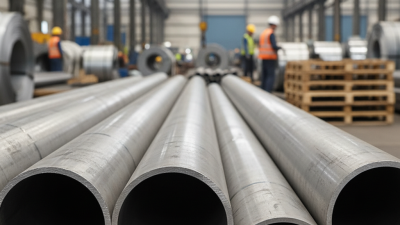
When comparing aluminum steel pipe to other materials, it stands out for several reasons. Aluminum steel pipes are lighter than traditional steel pipes. This quality makes them easier to transport and install. They also resist corrosion better than many alternatives. This durability extends the lifespan of projects, which can be crucial.
In contrast, materials like PVC are cheaper but less durable. PVC pipes are more vulnerable to temperature changes. They can crack in cold weather, leading to costly repairs. Despite their low initial cost, their long-term reliability is often questioned.
Brass and copper pipes offer durability but at a higher cost. They can be difficult to work with in certain configurations. Additionally, their weight can complicate installation. Aluminum steel pipes present a balanced approach, combining strength, low weight, and cost-effectiveness. However, they may not suit every application. Specific project needs should guide material selection, ensuring ideal outcomes.
Durability and Longevity of Aluminum Steel Pipe
When considering materials for construction, the durability and longevity of aluminum steel pipe stand out. This hybrid material combines the lightweight characteristics of aluminum with the strength of steel. Such a combination ensures that the pipe can withstand harsh environmental conditions without succumbing to rust or corrosion over time. As a result, projects utilizing aluminum steel pipes often experience lower maintenance costs and longer lifespans.
In many cases, infrastructure built with aluminum steel pipes demonstrates remarkable resilience. For example, in marine applications, these pipes resist saltwater corrosion effectively. However, it’s essential to acknowledge that improper installation can compromise durability. If the joints are not sealed adequately, it may lead to leakage and reduced lifespan. Therefore, expertise in installation is as crucial as the material itself for achieving optimal results.
Another factor to reflect on is environmental impact. While aluminum production is energy-intensive, steel’s recyclability offers a sustainable angle. Even with their strengths, these pipes require careful consideration of sourcing and lifecycle. Balancing durability with sustainability can create better construction practices. A thoughtful approach to material selection ultimately contributes to more resilient and efficient infrastructure.
Cost-Effectiveness of Aluminum Steel Pipe Solutions
When considering materials for your upcoming project,
aluminum steel pipe stands out for its cost-effectiveness.
This dual-material approach offers a unique balance of strength and lightweight properties.
The construction and installation costs are often lower compared to traditional materials, which is
a crucial factor for many projects. Contractors commonly note that the reduced weight leads to
easier handling and faster installation.
Additionally, aluminum steel pipes present long-term financial benefits.
Their resistance to corrosion means lower maintenance costs over time. Projects often face
budget constraints, making durable solutions essential. The longevity of aluminum steel pipes
can translate into fewer replacements and repairs, freeing up funds for other critical areas.
Despite its advantages, some may question its strength in extreme conditions.
It is vital to evaluate specific project requirements thoroughly. Adequate testing and research can clarify
performance expectations. While aluminum steel pipes offer many benefits, understanding their limitations
is equally important. Balancing cost and quality ensures the best outcomes in
construction projects.
Applications of Aluminum Steel Pipe Across Industries
Aluminum steel pipes are gaining prevalence across various industries due to their unique properties. These pipes are lightweight yet exceptionally strong. Industries like automotive, construction, and aerospace heavily rely on them. According to a report from Smithers Pira, the global demand for aluminum alloys in pipes is expected to grow by 4.3% annually through 2025. This growth highlights the versatility and expanding applications of aluminum steel pipes.
In construction, aluminum steel pipes help reduce weight while maintaining structural integrity. They are often used in scaffolding and frameworks, providing durability without increasing the load on foundations. Similarly, in the automotive sector, they contribute to fuel efficiency by minimizing overall vehicle weight. However, while the advantages are clear, there are challenges in welding and joining techniques. Some professionals find that specific methods yield inconsistent results.
Aerospace is another field leveraging aluminum steel pipes for their corrosion resistance and strength-to-weight ratio. Reports indicate that the aerospace industry is integrating these materials to enhance performance in aircraft design. Yet, sourcing quality aluminum steel pipes remains a concern. Variability in manufacturing standards points to potential reliability issues, which should not be overlooked. Understanding these nuances is essential for any project involving aluminum steel pipes.
Why Choose Aluminum Steel Pipe for Your Next Project? - Applications of Aluminum Steel Pipe Across Industries
| Industry |
Application |
Benefits |
| Construction |
Structural frameworks and supports |
Lightweight, corrosion resistance |
| Transportation |
Rail and vehicle components |
Durability, fuel efficiency |
| Oil & Gas |
Pipelines and fittings |
High strength, resistance to high temperatures |
| Aerospace |
Aircraft structures and components |
Weight reduction, high load-bearing capacity |
| Manufacturing |
Machinery and equipment construction |
Versatility, ease of fabrication |