Why Choose Hot Rolled Steel Bar for Your Next Project?
When considering materials for construction, the choice of steel can make a significant difference. A Hot Rolled Steel Bar is often favored for various projects due to its unique properties. This type of steel bar is produced through a process that involves rolling the steel at high temperatures, making it more flexible and easier to shape.
The versatility of Hot Rolled Steel Bar allows it to be used in structural applications, manufacturing machinery, and many other industries. Its strength and durability are crucial for projects requiring reliable materials. However, it is essential to approach the selection process with care. Not all applications may benefit from this type of steel, so evaluating project needs is vital.
Incorporating Hot Rolled Steel Bars into designs can yield impressive results. Nonetheless, understanding the limitations and potential drawbacks is just as important. Clients should seek professional advice to ensure that their choice of materials aligns with project goals. This way, the benefits will outweigh any considerations for other options.
Advantages of Hot Rolled Steel Bars in Construction Projects
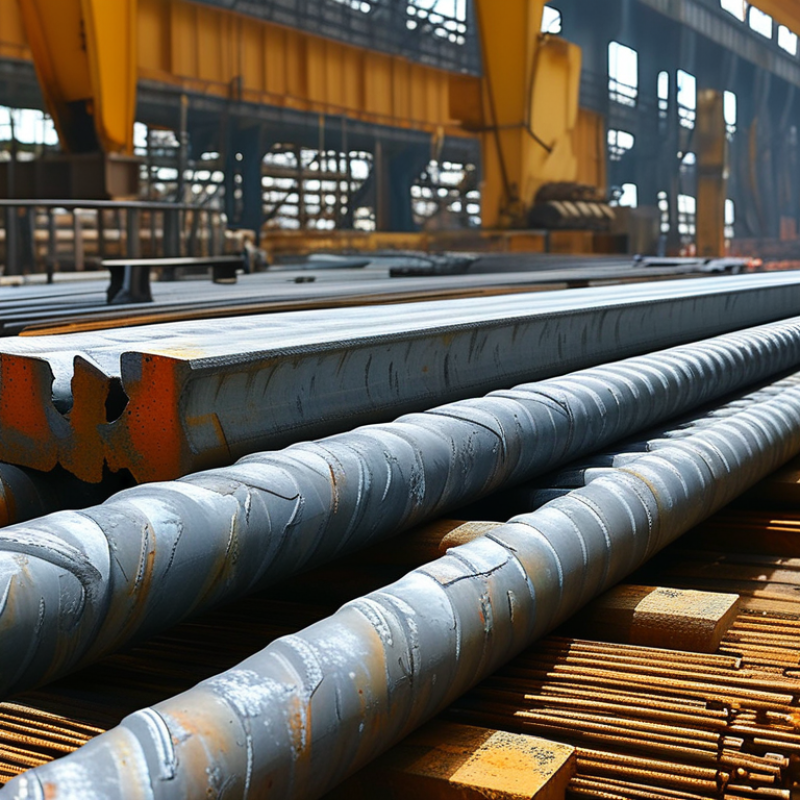
Hot rolled steel bars are essential in construction projects due to their many advantages. Their production process involves rolling at high temperatures, which enhances their mechanical properties. This method decreases the risk of residual stresses. A report by the American Institute of Steel Construction shows that hot rolled steel bars demonstrate superior ductility and strength compared to cold-formed steel.
In terms of cost-effectiveness, hot rolled steel bars can reduce overall construction expenses. According to the Steel Market Development Institute, using hot rolled steel can lower material costs by approximately 15%. This savings can be vital, especially for large-scale projects. Contractors can also work faster, as the material's pliability allows for easier shaping and fabrication.
However, there are drawbacks to consider. Hot rolled bars may not have a smooth surface finish, which could be an issue for some applications. They also carry a higher risk of oxidation if not treated properly. It’s crucial to weigh these factors against the benefits. Proper planning and understanding of project requirements will lead to better decisions regarding material selection.
Why Choose Hot Rolled Steel Bar for Your Next Project? - Advantages of Hot Rolled Steel Bars in Construction Projects
| Feature |
Description |
Advantages |
| Manufacturing Process |
Hot rolling involves heating steel above its recrystallization temperature. |
Increased malleability and easier shaping. |
| Cost-Effectiveness |
Generally cheaper than cold rolled variants due to lower production costs. |
More economical for large construction projects. |
| Strength |
Hot rolled steel bars are known for their structural integrity and strength. |
Suitable for high-load applications. |
| Ease of Use |
Can be easily welded and machined. |
Facilitates quicker project implementation. |
| Customization |
Available in various sizes and shapes according to specifications. |
Meets specific project requirements. |
| Durability |
Resistant to wear and tear, providing long-term usage. |
Reduces overall maintenance costs. |
Comparative Analysis: Hot Rolled vs. Cold Rolled Steel Bars
When choosing between hot rolled and cold rolled steel bars, it's essential to analyze their key differences.
Hot rolled steel is often preferred for projects requiring strength and malleability. The manufacturing process involves rolling steel at high temperatures, typically above 1,700°F. This method allows for easier shaping and reduces internal stresses. According to industry reports, hot rolled bars have a yield strength that ranges from 36,000 to 50,000 psi, making them suitable for structural applications.
Conversely, cold rolled steel bars undergo processing at room temperature. They experience enhanced dimensional accuracy and a smoother finish, which can be advantageous for specific applications. However, this method increases the hardness of the material and may reduce its ductility. Reports indicate cold rolled bars have a yield strength that can exceed 70,000 psi due to the work-hardening process. While this is beneficial for certain applications, it can make cold rolled steel harder to work with during fabrication.
Each type has its merits and drawbacks. Hot rolled steel is more economical and easier to weld. It’s less likely to warp during the cooling phase. However, it may not offer the precision required for intricate designs. Cold rolled steel provides superior surface quality and strength but can be more expensive. Selecting the right type involves assessing project needs against these factors.
Typical Applications of Hot Rolled Steel Bars in Various Industries
Hot rolled steel bars serve various industries, making them a versatile choice for many projects. They are often used in construction. For instance, structural beams benefit from their strength and flexibility. This makes them ideal for building frameworks, particularly for commercial buildings and bridges. The ease of manipulation during the rolling process ensures uniform dimensions.
In manufacturing, hot rolled steel bars find applications in making gears, pinions, and heavy machinery components. Their toughness can withstand high impacts, essential for machinery operating under stress. Additionally, they are often utilized in the automotive industry. Car frames and axles require robust materials for safety and performance. Hot rolled steel fulfills these needs well.
However, the surface finish of hot rolled bars is not always pristine. They might contain scale or imperfections. These factors can affect aesthetic considerations in some applications. Builders and manufacturers must consider these aspects when selecting materials. Careful planning is necessary to ensure that the specific needs of a project are met while choosing hot rolled steel bars.
Key Properties of Hot Rolled Steel Bars for Structural Integrity
Hot rolled steel bars are essential in various construction projects. They possess key properties that contribute to the structural integrity of buildings and infrastructure. One major aspect is their superior strength. Due to the hot rolling process, these bars achieve enhanced grain structures. This results in increased durability, making them perfect for load-bearing applications.
Another vital property is their excellent ductility. Hot rolled steel can withstand substantial deformation without breaking. This characteristic is crucial for structures that require flexibility, such as bridges or tall buildings. While hot rolled steel has many advantages, it is essential to consider environmental factors. Exposure to moisture can lead to corrosion over time, affecting the material's longevity.
Additionally, these steel bars can be less expensive than their cold rolled counterparts. However, they may not have the precise dimensions required for certain projects. Professionals often need to account for this in their designs. Ultimately, assessing the specific needs and conditions of a project will determine if hot rolled steel bars are the right choice.
Cost-Effectiveness of Using Hot Rolled Steel Bars in Projects
Hot rolled steel bars are a popular choice for construction projects due to their cost-effectiveness. According to a report by the World Steel Association, the average price for hot rolled steel bars has decreased by 5% over the last year. This trend reflects the growing demand and efficient production methods in the industry. Hot rolled steel is more affordable because it requires less energy in the manufacturing process compared to other forms like cold rolled steel.
Using hot rolled steel bars can lead to significant savings in material costs. This steel variant is known for its strength and ductility, making it ideal for structural applications. It is often used in beams, rods, and reinforcements. A 2021 study indicated that using hot rolled steel bars could reduce project costs by up to 15%. This is crucial for budgeting and project planning.
**Tip:** Consider the specific requirements of your project. Hot rolled steel works well for projects needing flexibility and strength.
While hot rolled steel is cost-effective, it may not always be suitable for every application. For tightly toleranced components, cold rolled steel might be preferable despite the higher cost. Assess the project's unique needs before making a decision.
**Tip:** Think about the long-term benefits of durability versus upfront costs. Investing in the right material can save money over time.
Cost-Effectiveness of Using Hot Rolled Steel Bars in Projects