How to Choose the Best Aluminum Steel Pipe for Your Needs?
Choosing the right Aluminum Steel Pipe can significantly impact your project's success. Expert John Reynolds states, "The right pipe can create lasting stability and efficiency." His insight reflects the importance of careful selection.
Aluminum Steel Pipes are versatile and increasingly popular. They provide durability and lightweight benefits. Yet, not all pipes are created equal. Understanding your specific needs is vital. Industrial applications often call for strength and corrosion resistance.
Considerations like size, thickness, and alloy type are crucial. Your decision should not be taken lightly. Each project has unique requirements. Reflect on these needs before making a final choice. A well-informed decision can lead to enhanced performance and longevity.
Understanding the Basics of Aluminum Steel Pipes
Aluminum steel pipes play a significant role in various industries due to their unique characteristics. These pipes are light yet strong, which makes them highly sought after for applications ranging from construction to automotive. The global aluminum pipe market was valued at approximately $1.4 billion in 2020 and is expected to grow steadily. This growth highlights the increasing demand for lightweight materials in manufacturing.
Understanding aluminum steel pipes involves recognizing their compositions and properties. They often consist of a blend of aluminum's corrosion resistance and steel's structural strength. This combination allows pipes to withstand harsh environmental conditions. According to a recent report, aluminum steel pipes reduce weight by around 30% compared to standard steel pipes. This reduction leads to lower transportation costs and enhanced overall efficiency.
However, choosing the right type of aluminum steel pipe can be complex. Not all pipes are created equal in terms of quality and performance. Additionally, some manufacturers may not meet stringent industry standards. This inconsistency can lead to failures in critical applications. It is essential to conduct thorough research on suppliers and ensure their products adhere to recognized international standards.
Evaluating the Different Types of Aluminum Steel Pipes
When evaluating different types of aluminum steel pipes, it's essential to understand the specific applications and requirements for your project. Aluminum pipes are lightweight, corrosion-resistant, and provide excellent thermal conductivity. Meanwhile, steel pipes are known for their strength and durability. According to a recent industry report, the use of aluminum pipes has increased by 20% in construction projects due to their versatility and performance.
Different grades of aluminum and steel are available, impacting their mechanical properties. For instance, 6061 aluminum is well-regarded for its weldability and resistance to corrosion, making it ideal for marine applications. On the other hand, galvanized steel pipes offer protection against rust, which is particularly useful in outdoor settings. The right choice depends on the environmental exposure and load-bearing requirements.
Consider where the pipes will be installed. Proper alignment and fitting are crucial for performance. Occasionally, finding the perfect match is tricky. Don’t hesitate to consult with industry professionals to avoid costly mistakes. When in doubt, think about the long-term implications of your choices. Each type of pipe has its pros and cons. Choose wisely based on your specific needs and project conditions.
How to Choose the Best Aluminum Steel Pipe for Your Needs? - Evaluating the Different Types of Aluminum Steel Pipes
| Type |
Material Quality |
Diameter (inches) |
Weight (lbs/ft) |
Typical Use |
| Standard Aluminum Pipe |
6061-T6 |
1.0 |
0.7 |
Structural Applications |
| Aluminum Alloy Pipe |
2024-T3 |
2.0 |
1.3 |
Aerospace Applications |
| Aluminum Steel Composite Pipe |
Aluminum 6060 |
3.0 |
1.5 |
Piping Systems |
| Seamless Aluminum Pipe |
7075-T6 |
1.5 |
0.9 |
High-Stress Applications |
| Anodized Aluminum Pipe |
6063 |
0.75 |
0.6 |
Corrosion Resistance |
Key Factors to Consider When Choosing Aluminum Steel Pipes
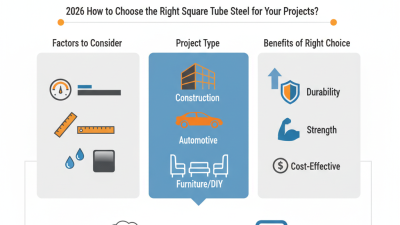
Choosing the right aluminum steel pipe is crucial for any project. Start by considering the intended application. Different projects have unique requirements. For instance, structural support, plumbing, or electrical conduits each need specific pipe qualities. Think about the environment too. Corrosion resistance may be vital in coastal areas.
Next, pay attention to the pipe specifications. Wall thickness and diameter can greatly affect performance. Heavier walls can enhance durability but may add weight. Consider the trade-off between weight and strength. Standards vary globally; unfamiliarity can lead to mistakes. Always verify if the pipe meets local regulations.
Cost is another important factor. Cheaper options might seem appealing, but they may compromise quality. Look for balance. Research suppliers and ask for recommendations. However, don’t blindly trust every source. Seek out reviews and expert opinions. It’s okay to feel uncertain and ask questions. Exploration often leads to better choices.
Factors to Consider When Choosing Aluminum Steel Pipes
Applications and Uses of Aluminum Steel Pipes
Aluminum steel pipes are versatile and essential in various sectors. Their lightweight nature makes them ideal for industries like aerospace, automotive, and construction. For instance, a report by the International Aluminum Institute states that approximately 45% of aluminum is used in transportation applications. In the automotive sector, aluminum pipes contribute to fuel efficiency, reducing vehicles' overall weight.
Moreover, the chemical resistance of aluminum steel pipes makes them suitable for chemical processing and storage. According to a study by the American Society for Testing and Materials, aluminum's inherent resistance to corrosion ensures longevity in harsh environments. Industries often rely on these pipes to transport liquids and gases without risking contamination or degradation.
Despite their advantages, it's essential to consider the specific requirements of each application. Factors such as pressure ratings, temperature endurance, and environmental conditions must guide your selection. A miscalculation here could lead to costly failures and safety risks. Engaging with industry standards and testing protocols helps to ensure the right fit for your project.
Maintaining Aluminum Steel Pipes for Longevity
Maintaining aluminum steel pipes is crucial for maximizing their lifespan. Regular inspections can help identify wear and tear early. Look for signs of corrosion or physical damage. Even minor issues can lead to bigger problems later. If left unchecked, these problems may compromise the structural integrity of the pipes.
Proper cleaning is essential. Use mild detergents and a soft brush to prevent scratching. High-pressure washing can be effective, but it must be done carefully. Too much pressure could damage the surface finish. After cleaning, ensure the pipes are dried thoroughly to prevent moisture buildup, which can lead to rust.
Routine checks for seals and connections are also necessary. Leaks can occur in the joints over time. Replacing worn seals promptly can save on costly repairs later. It's easy to overlook these checks, but they are vital for optimal performance. Emphasizing maintenance can lead to significantly longer life for your aluminum steel pipes.