Gangtuo
Integrity, Innovation, And Win-Win
Contact us

How to Choose the Best Copper Pipes for Your Projects?

Choosing the right Copper Pipes for your projects can be crucial. With numerous options available, making an informed decision is essential. Understanding the differences in Copper Pipes will help you select the best fit for your needs.

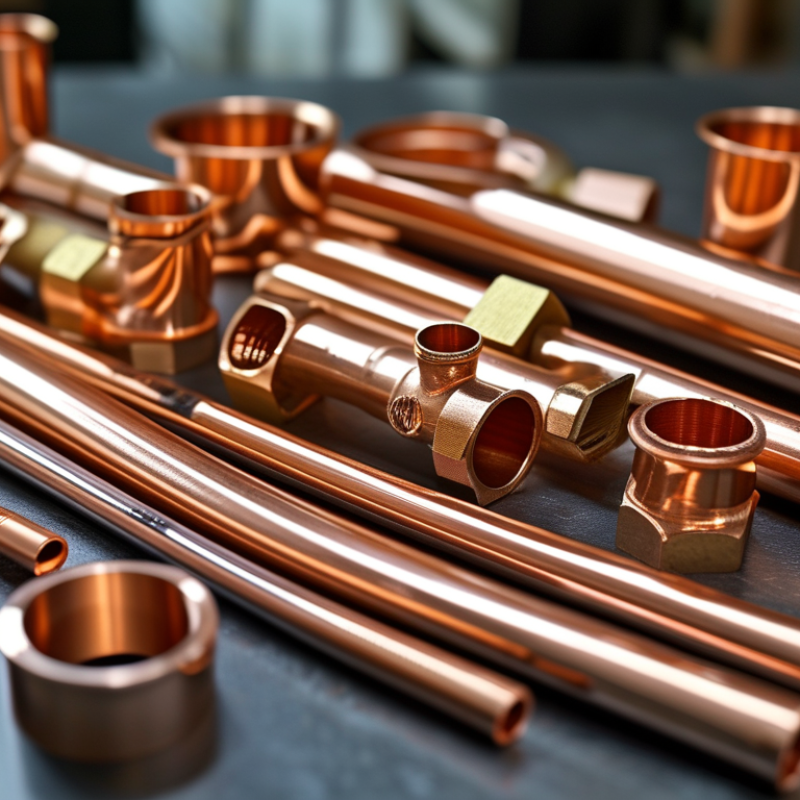
Copper Pipes come in various types and sizes. The two main types are rigid and flexible pipes. Rigid pipes are great for plumbing systems. Flexible ones are useful for tight spaces. Each type has its own advantages, depending on your project demands.

Expert knowledge in Copper Pipes can guide you through the selection process. Consider factors like durability, corrosion resistance, and price. With the right Copper Pipes, you ensure a long-lasting and efficient project. Choose wisely to avoid future regrets.
How to Choose the Best Copper Pipes for Your Projects?

Understanding Different Types of Copper Pipes Available in the Market

When choosing copper pipes for your projects, understanding the different types available is crucial. Generally, copper pipes are categorized into three main types: Type K, Type L, and Type M. Type K has the thickest wall, making it ideal for underground installations. Type L is versatile, suitable for both water supply and heating systems. Type M, with the thinnest wall, is commonly used for lighter applications, like residential plumbing. Each type has its own advantages and drawbacks, so consider your project's requirements carefully.

Choosing the right type can be challenging. Consider the environment and pressure requirements. Will the pipes be exposed to high temperatures? Are they subject to heavy pressure? Reflect on these factors to avoid costly mistakes. Some projects may also benefit from a mix of different types, depending on specific needs. It’s essential to think critically about each approach.

For installations, always ensure the connections are tight. Loose fittings can lead to leaks. Regular maintenance checks can help to identify any issues early. If you're unsure about your choices, consulting a plumbing professional may provide valuable insights. Don’t rush the selection process; take the time to reflect on your options.

Evaluating the Benefits and Drawbacks of Copper Pipes for Plumbing

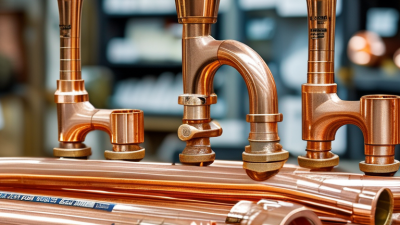
Copper pipes have long been a staple in plumbing due to their unique properties. They resist corrosion better than many materials, often lasting 50 years or more if properly maintained. According to a report by the Copper Development Association, copper’s antibacterial properties can reduce harmful bacteria within the plumbing system, promoting better health.

However, copper pipes have their downsides. They can be more expensive than alternatives, such as PVC or PEX. The cost can be a significant factor for budget-minded homeowners. Additionally, copper is prone to freezing and can burst in extreme cold.

Environmental concerns should also be considered. The mining process for copper can be harmful to ecosystems. Consequently, the long-term environmental impact of using copper pipes requires careful evaluation. Balancing benefits and drawbacks is essential for making informed decisions about plumbing materials.

Factors to Consider When Selecting Copper Pipe Sizes for Your Project

Selecting the right size of copper pipes for your projects involves careful consideration of various factors. One key aspect is the intended application. For instance, plumbing systems require different pipe sizes compared to HVAC systems. A report from the Copper Development Association suggests that for residential plumbing, standard sizes like ½ inch to 1 inch are most commonly used. Using incorrect sizes can lead to issues like low water pressure or inefficient heat transfer.

Another essential consideration is the flow rate of the system. The American Society of Heating, Refrigerating and Air-Conditioning Engineers (ASHRAE) emphasizes that selecting a pipe size that supports the required flow rate is critical. Undersized pipes can create bottlenecks, resulting in diminished performance. When in doubt, consulting fluid dynamics charts can help you analyze your project's requirements effectively.

Don’t forget to account for future expansions. Choosing larger sizes might seem like overkill, but they can save you costs in the long run. A common pitfall is underestimating the need for future modifications. Behaviorally, many professionals tend to overlook this aspect, leading to additional expenses later.

Remember to check building codes in your area for specific requirements. Each region may have unique regulations that impact the sizes and types of pipes that can be used. Always aim for harmonizing your project with these standards to assure quality and compliance.

Assessing the Cost-Effectiveness of Copper Pipes Compared to Alternatives

When assessing the cost-effectiveness of copper pipes, one must consider both initial expenses and long-term benefits. Copper pipes are known for their durability and resistance to corrosion. They can last up to 50 years, which can be a significant advantage over alternatives. However, the upfront cost of copper is generally higher than that of PVC or PEX pipes. This financial factor can be a deterrent for some projects.

Moreover, it's essential to evaluate maintenance and repair costs. Copper pipes rarely require replacement, which can save money over time. In contrast, cheaper alternatives may need frequent repairs, adding to their overall cost. The energy efficiency of copper pipes also plays a role. They conduct heat well, potentially lowering heating bills. Yet, the initial investment does require careful consideration of your budget.

Another point to reflect on is installation complexity. Copper pipes need specialized skills for installation, which could increase costs. While the benefits may seem evident, the selection often leaves room for doubt. Ultimately, understanding your project's specific needs and future projections is crucial in making the right choice.

Best Practices for Installing and Maintaining Copper Pipes Properly

When installing copper pipes, careful attention is essential for longevity and performance. According to the Copper Development Association, copper pipes have a lifespan of over 50 years when installed correctly. However, improper installation can lead to leaks and costly repairs. Ensuring proper fittings and avoiding aggressive chemical cleaners can greatly enhance durability.

Regular maintenance is crucial. Inspecting joints and connections for signs of corrosion is a good practice. Experts recommend flushing the system periodically to remove any buildups that could affect water quality. If you notice discoloration in the water, consider checking for pinhole leaks, which can occur due to corrosion.

Advice: Always ensure proper ventilation when soldering copper pipes. Heat can produce dangerous fumes. Additionally, keep the area dry. Moisture can lead to corrosion and compromise pipe integrity over time. Remember, small mistakes during installation or maintenance can lead to significant problems down the line.

How to Choose the Best Copper Pipes for Your Projects? - Best Practices for Installing and Maintaining Copper Pipes Properly

Dimension Type Application Advantages Maintenance Tips
1/2 inch Type K Residential plumbing Thickest wall, corrosion-resistant Regular inspections for leaks
3/4 inch Type L Commercial plumbing Good balance of cost and durability Avoid chemical cleaners that could corrode
1 inch Type M Heating systems Lightweight, easy to work with Keep clean and dry to avoid oxidation
1.5 inch DWV Drainage systems Smooth interior for optimal flow Inspect joints regularly for leaks