What is Hot Rolled Steel Bar and Its Benefits for Buyers?
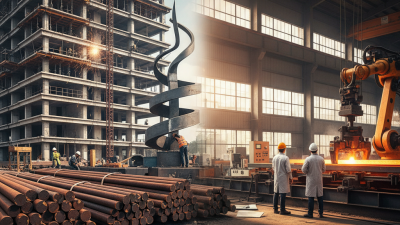
Hot Rolled Steel Bar is a fundamental material in various industries, from construction to manufacturing. According to the World Steel Association, the production of steel globally reached over 1.8 billion metric tons in 2022, with hot rolled steel representing a significant portion. This type of steel bar, characterized by its malleability and high-temperature processing, is often favored for its strength and cost-effectiveness.
The benefits of Hot Rolled Steel Bar are substantial for buyers. It provides excellent structural integrity, making it ideal for load-bearing applications. Its fabrication process allows it to be shaped and welded easily, which enhances its versatility. However, potential buyers should consider the inherent imperfections resulting from the hot rolling process, such as surface roughness and dimensional variance. Understanding these aspects ensures informed decision-making and product suitability.
In a competitive market, reliability and performance are paramount. Buyers must choose suppliers with proven track records. Quality assurance in the production of Hot Rolled Steel Bar is essential. Reports indicate that selecting reputable manufacturers leads to improved project outcomes and material longevity. Thus, investing time in supplier research pays dividends in construction and manufacturing success.
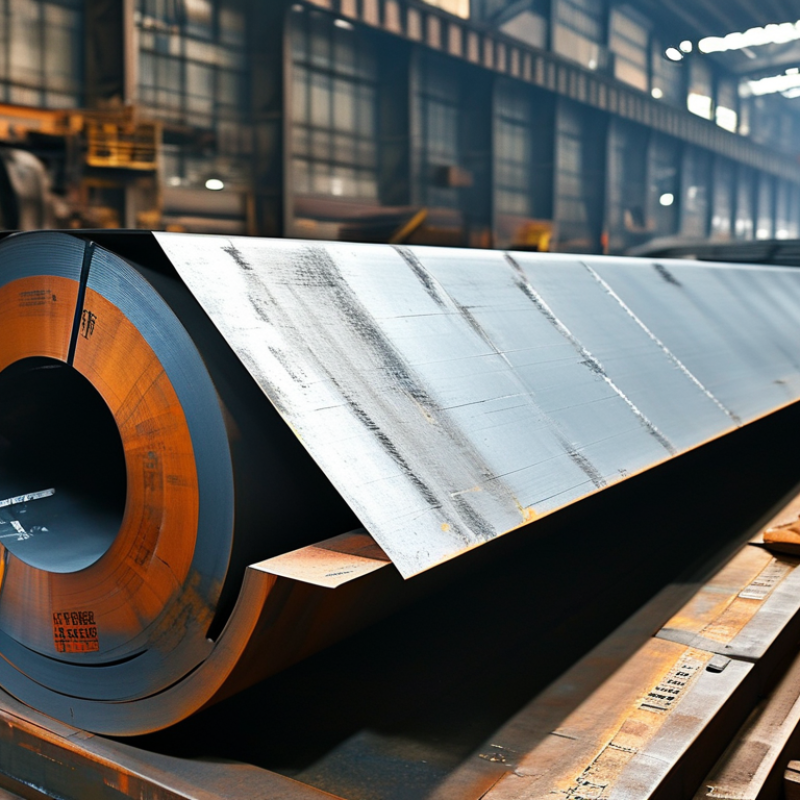
Definition of Hot Rolled Steel Bar: Characteristics and Production Process
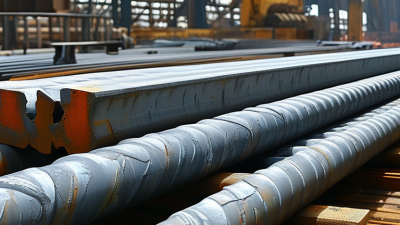
Hot rolled steel bars are essential components in construction and manufacturing. They are created by heating steel above its recrystallization temperature and then forming it into desired shapes. This process results in a strong, malleable product with a rough surface finish. According to the World Steel Association, hot rolled steel accounts for over 70% of all steel production.
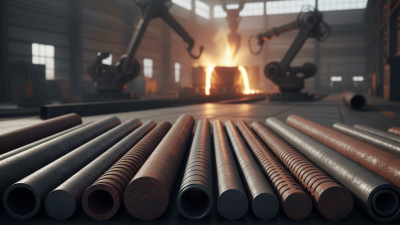
The production process begins with a steel billet heated to a high temperature, often above 1,700°F. The steel is then rolled into bars under high pressure. This method enhances the mechanical properties of the steel. The rapid cooling retains a characteristic structure that improves the bar's strength. Buyers should be aware that the rough surface can be beneficial for applications needing better adhesion.
However, there are nuances that buyers should consider. The heating process can lead to inconsistencies in chemical composition. Variations in mechanical properties might also occur due to different rolling temperatures. Strength and ductility vary across batches, which may pose challenges in certain applications. Thus, it is crucial to source hot rolled steel from reliable suppliers who adhere to quality standards.
Comparison of Hot Rolled Steel Bar with Other Types of Steel Products
Hot rolled steel bars stand out among various steel products due to their unique attributes. Unlike cold rolled steel, hot rolled bars are processed at high temperatures. This process leads to a natural finish, which is common in many construction applications. The high-temperature treatment also allows for easier shaping and welding, making them ideal for structural frameworks.
When comparing hot rolled steel bars with cold rolled options, it’s essential to consider strength and usability. Cold rolled steel typically offers better tolerances and surface finishes. However, hot rolled steel bars are often less expensive. This price advantage can be appealing to buyers seeking cost-effective solutions. Yet, buyers need to reflect on their specific needs. If precision and aesthetics are critical, cold rolled may be the better choice. Conversely, if the application demands strength and durability without the need for fine finishes, hot rolled steel is preferable.
Another comparison involves alloy steels versus conventional hot rolled bars. Alloy steels can enhance performance in specific environments. However, for general construction and fabrication works, hot rolled options suffice. They provide reliable performance without additional costs for specialized alloys. Understanding these subtleties is crucial for making informed purchasing decisions.
What is Hot Rolled Steel Bar and Its Benefits for Buyers? - Comparison of Hot Rolled Steel Bar with Other Types of Steel Products
| Property |
Hot Rolled Steel Bar |
Cold Rolled Steel Bar |
Mild Steel Bar |
| Manufacturing Process |
Processed at high temperatures |
Processed at room temperature |
Processed at varying temperatures |
| Surface Finish |
Rough, with possible scale |
Smooth and polished |
Rough, varies based on production |
| Strength |
Lower yield strength |
Higher yield strength |
Moderate strength |
| Cost |
Generally lower |
Generally higher |
Moderate |
| Applications |
Construction, structural supports |
Automotive, precision instruments |
General fabrication and construction |
| Weldability |
Good |
Excellent |
Good |
Key Benefits of Using Hot Rolled Steel Bars for Construction and Manufacturing
Hot rolled steel bars are essential in construction and manufacturing. These bars are made by heating steel above its re-crystallization temperature. This process makes them easier to shape and form. The result is a robust material that can withstand heavy loads.
One key benefit of hot rolled steel bars is their improved ductility. This quality allows for easier fabrication. They can be cut and welded with relative ease. Builders appreciate this flexibility during construction. Moreover, hot rolled bars often have a rough surface finish. This feature can enhance bonding when used in concrete structures. It’s a practical advantage.
Another important aspect is cost-effectiveness. Hot rolled steel typically requires less energy to produce compared to cold rolled steel. This reduction in energy consumption can lead to lower prices for buyers. However, there are trade-offs. Hot rolled steel may not have the same tolerance levels as cold rolled options. Therefore, it is essential to evaluate specific project needs before making a decision. Understanding these nuances can significantly impact your construction project’s success.
Applications of Hot Rolled Steel Bars in Various Industries
Hot rolled steel bars serve essential roles in numerous industries. Their strength and versatility make them popular in construction, manufacturing, and automotive sectors. These bars, formed by rolling steel at high temperatures, can be easily shaped into various sizes. This process eliminates internal stresses, ensuring the bars maintain integrity under pressure.
In the construction industry, hot rolled steel bars are frequently used in building frames, reinforcements, and bridges. They provide a solid foundation, capable of supporting heavy loads. The automotive industry also utilizes these bars for chassis and structural components. Additionally, hot rolled steel is valued in manufacturing for producing machinery parts and tools. Compatibility with welding and machining enhances their utility.
Despite their advantages, there are considerations to keep in mind. Hot rolled steel can have a rough surface, which may require additional finishing depending on the application. Furthermore, the bars may undergo distortion during the cooling process, leading to variations in dimensions. Buyers must evaluate these factors carefully. Examining specific project needs will ensure the right decision is made.
Factors to Consider When Purchasing Hot Rolled Steel Bars for Projects
When purchasing hot rolled steel bars, several factors must be considered. Quality is paramount. Look for suppliers that provide detailed certifications. These certifications should guarantee the chemical composition and mechanical properties of the steel. If the suppliers hesitate to provide such documents, it's a red flag.
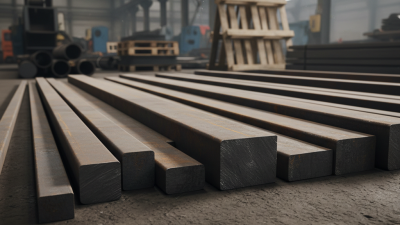
Another important factor is dimensions and tolerances. Hot rolled steel may have variances in size due to the manufacturing process. Understand your project’s exact requirements before making a purchase. If dimensions matter greatly, inquire about the supplier’s tolerance standards. This can save significant time and cost later in your project.
Price also plays a critical role. While lower prices may seem attractive, they can indicate compromised quality. Take time to compare quotes from different vendors. Do not rush this decision. Ensure the quoted prices align with the quality and specifications required for your project. A balance between cost and reliability is essential for a successful procurement process.
Benefits of Hot Rolled Steel Bars for Buyers
This chart illustrates the various benefits of hot rolled steel bars as perceived by buyers, rated on a scale of 1 to 10. Key benefits include cost efficiency, versatility, strength, availability, and workability, all showcasing the importance of hot rolled steel in construction and manufacturing projects.