Top Copper Pipe Suppliers for Global Buyers
Choosing reliable Copper Pipes suppliers is a practical decision with consequences beyond the purchase price. Pipe composition, dimensions, wall thickness, and intended application all affect whether a product fits a project. A supplier’s catalog may look complete, but buyers should also examine current technical documents and product traceability. Details matter.
Global sourcing adds further questions. Buyers may need to compare manufacturing capabilities, available inspection records, packaging methods, production capacity, and delivery estimates. Ask how suppliers verify dimensions and material batches, and whether their documentation matches the products being quoted. Clear answers make evaluation easier. Vague answers do not.
This guide introduces supplier-selection factors for contractors, distributors, and procurement teams. It considers product range, quality controls, communication, and export readiness without assuming one company suits every market. Local requirements and project specifications can differ, so confirm them before placing an order. A polished website is not proof of consistent production, and a checklist cannot reveal everything. Request samples or independent inspection when the project’s risk justifies the added time and cost. Compare more than prices; a low quote may exclude testing, protective packing, or other services. Supplier information can also change, so verify important claims directly. The aim is a careful shortlist, not a perfect answer.
Understanding the Role of Copper Pipe Suppliers in Global Trade
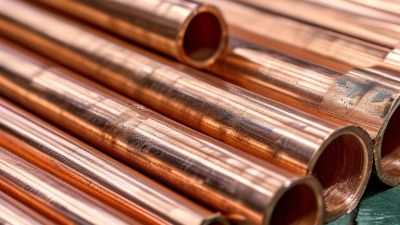
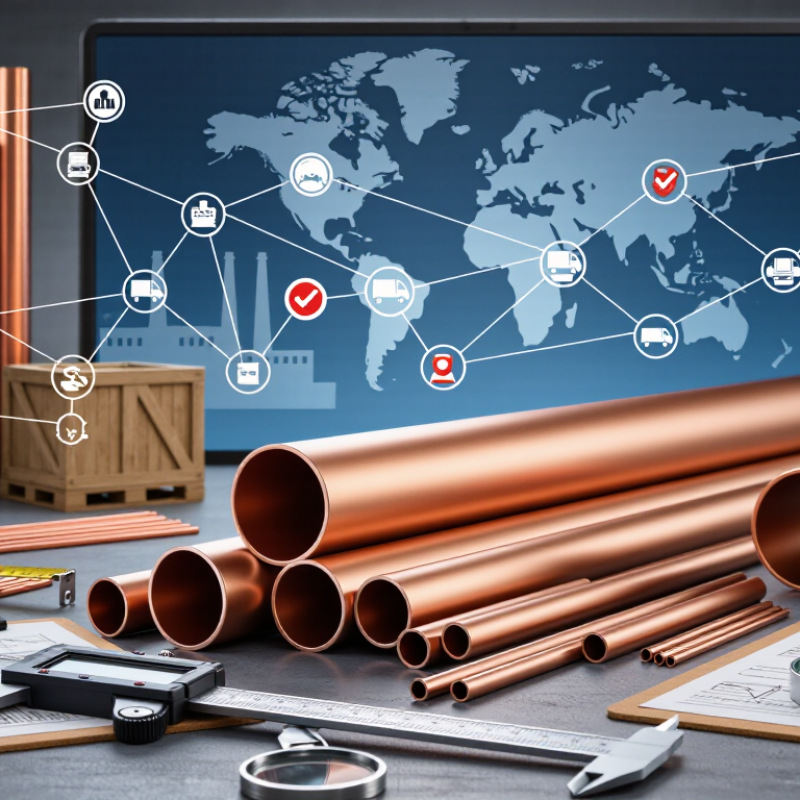
In global trade, copper pipe suppliers do more than quote a price. They translate buyer requirements into repeatable specifications: alloy, temper, outside diameter, wall thickness, tolerance, and end condition. A contractor may need straight lengths for building risers; an HVAC buyer may need coils that bend without kinking. Small differences matter. Mill test certificates, batch identification, and dimensional checks help verify that delivered pipe matches the order.
The market is substantial. The International Copper Study Group’s World Copper Factbook 2024 reports global refined copper use at about 26 million tonnes in 2023. This broad figure is not pipe demand, but it shows why dependable sourcing and documentation matter. Suppliers also coordinate inspections, export packing, shipment schedules, and trade paperwork. UNCTAD’s Review of Maritime Transport 2024 reports that more than 80% of world trade by volume moves by sea. Port delays can disrupt projects long after production ends.
Experienced buyers compare suppliers on more than unit cost. They check standards, certificates, sample consistency, capacity, protective packaging, and realistic lead times. Ask how a supplier isolates and reports nonconforming batches. Not just a brochure. Some checks remain imperfect: published capacity may not reflect current workload, and certificates cannot replace independent testing when risk is high. Responsiveness to technical questions is useful evidence, not proof, of quality. Clear communication reduces surprises, but cannot eliminate them.
Evaluating Suppliers by Quality, Standards, and Production Capacity
Top Copper Pipe Suppliers for Global Buyers
A reliable supplier should provide more than a competitive quotation. Buyers need to check alloy grade, dimensions, temper, and surface condition against the intended use. Ask for traceable inspection records and material test reports, then compare them with the purchase specification. A pipe’s clean exterior tells only part of the story.
Standards matter. Requirements such as ASTM B88 or EN 1057 may apply, depending on the market and application. Confirm the exact standard, revision, and testing requirements before production begins. Request sample certificates and clarify how each batch is identified. Numbers are not enough. Documents should match the delivered pipes, not just a sales sample.
Production capacity deserves equally careful review. Ask about monthly output, typical lead times, available sizes, and how urgent orders affect existing commitments. A site visit or independent audit can help verify equipment, inspection steps, and storage conditions. Still, a large factory is not automatically dependable; communication and process control count too. I would avoid choosing on capacity alone, because forecasts can change and supplier promises sometimes sound more precise than reality. A practical evaluation weighs verified quality, standards compliance, and realistic delivery plans together.
Comparing Leading Suppliers Across Major Copper-Producing Regions
Top Copper Pipe Suppliers for Global Buyers
Comparing Leading Suppliers Across Major Copper-Producing Regions
Copper pipe buyers often compare suppliers by region, but a mining location does not guarantee factory capacity or consistent quality. Chile and Peru are major copper-producing countries, while China has a broad manufacturing base. European suppliers may offer convenient access to regional distribution and technical support. These are general patterns, not guarantees; individual factories can differ sharply.
When evaluating suppliers, compare the pipe alloy, dimensions, tolerances, and inspection documents. Ask for recent test reports and confirm that they match the exact product being quoted. Also check production capacity, packaging, shipping routes, and lead times. A lower quoted price can lose its appeal if delivery is uncertain or specifications are unclear. Regional comparisons help narrow a search, but they cannot replace factory-level checks.
Tips: Request a sample and inspect its wall thickness and finish. Confirm the stated standard with your project team. Keep the questions in writing. Some details are easy to miss, and buyers may need to revise their shortlist after reviewing real production evidence.
Assessing Product Range, Certifications, and Export Services
Global buyers should compare copper pipe suppliers by usable range, not catalogue size alone. The International Copper Study Group’s World Copper Factbook 2024 reports global refined copper usage of about 26.5 million tonnes in 2023. That covers all uses, not pipe demand. Still, it shows the scale of the supply chain. Request samples and dimensional records for the exact product: straight lengths or coils, specified temper, wall thickness, and applicable copper grade. A small mismatch can complicate installation.
Certifications need close checking. Ask whether test documents cover the supplied product, production site, and intended use. For example, ASTM B88 covers copper water tube, while NSF/ANSI/CAN 61 addresses health effects of drinking-water system components. These are not interchangeable approvals. Request current certificates, material test reports, and batch traceability; verify scope and validity with the issuing body where possible. Paperwork can look complete and still leave a gap.
Tips: Before ordering, confirm export packing, end protection, bundle labels, and document requirements. Ask for photographs of a packed shipment and a draft packing list. This is easy to overlook. Also agree on tolerances and inspection steps in writing. Even experienced buyers may miss details when specifications use different regional conventions.
Top Copper Pipe Suppliers for Global Buyers
Product-range benchmark: wall thickness of ½-inch nominal ASTM B88 copper water tube
How to use this benchmark: ASTM B88 lists different wall thicknesses for Types K, L, and M at this nominal size. When assessing suppliers, confirm which types and sizes they offer, and request applicable test reports or certificates. For export orders, also verify destination-market requirements, packaging, and shipping documentation. This chart compares standard dimensions, not supplier performance.
Verifying Supplier Reliability Before Placing an International Order
Before ordering copper pipe internationally, verify the supplier’s records against the product you need. Request material test certificates showing the grade, dimensions, and heat or batch number. Check that the same identifiers appear on inspection documents and packaging labels. Details should match. If they do not, ask for corrected records before production or shipment.
A practical review also looks beyond paperwork. Ask how pipes are measured, protected from moisture, and secured for transport. Request recent inspection photos, packing details, and a sample purchase order with specifications clearly stated. A third-party inspection can help confirm quality before dispatch, especially for a large order. Still, one good sample does not guarantee every production run will be consistent.
Communication is evidence, too. Note how quickly the supplier answers specific questions about tolerances, lead times, and replacement procedures. Vague replies are worth probing. Check trade references where available, and compare promised delivery dates with realistic production and shipping schedules. I would not rely on a polished catalog alone; it is easy to overlook small inconsistencies when timelines are tight. Even a thorough check cannot remove every risk, but it can reveal gaps before your deposit is sent.